


Water Softener Versus Conditioner: Which Works?
Updated: Sep 12
A water softener versus conditioner decision often comes up after a homeowner notices white buildup on faucets, stiff laundry, dry skin, or a water heater that is not performing as well as it should. The two systems may sound interchangeable, but they do different jobs. Choosing the wrong one can leave you with the same hard-water problems you hoped to fix.
For Northeast Ohio homes, the right answer depends on the water source, hardness level, household water use, plumbing condition, and what you want the equipment to accomplish. A proper water test and an honest conversation about your goals matter more than a one-size-fits-all recommendation.
Water Softener Versus Conditioner: The Core Difference
A traditional water softener removes the minerals that make water hard, primarily calcium and magnesium. Most residential softeners do this through ion exchange. Water flows through resin beads, and the system exchanges hardness minerals for a small amount of sodium or potassium. The result is genuinely softened water.
A water conditioner, sometimes called a salt-free conditioner or scale-control system, generally does not remove calcium and magnesium from the water. Instead, it changes how those minerals behave, helping reduce their tendency to stick to pipes, fixtures, heating elements, and appliances as hard scale.
That difference is the deciding factor. If your priority is eliminating hard-water symptoms throughout the house, a softener is usually the more complete solution. If your primary concern is reducing scale without salt, brine discharge, or a regeneration cycle, a conditioner may be worth considering.
The terminology can be confusing because manufacturers use the word “conditioner” for several kinds of treatment equipment. Some systems address scale, while others target iron, sulfur odor, acidity, sediment, or chlorine. The equipment should be selected for the actual chemistry of your water, not simply for the label on the tank.
What a Water Softener Changes in Your Home
Hardness minerals create scale when water is heated or evaporates. That is why the problem often becomes most visible around shower doors, dishwasher interiors, coffee makers, and water heaters. A conventional softener removes the minerals before they can create those deposits.
In practical terms, softened water usually means less spotting on glassware and fixtures, easier cleaning, better soap lather, and softer-feeling laundry. Homeowners may also use less soap, detergent, and shampoo because softened water allows cleaning products to work more effectively.
For a water heater, hard-water reduction can be especially valuable. Mineral scale acts as an insulating layer on heating surfaces. In tank-style water heaters, sediment and scale can collect at the bottom of the tank. In tankless units, scale can accumulate inside the heat exchanger passages. Either situation can reduce efficiency, affect recovery or flow, and increase maintenance needs over time.
A softener does require ongoing attention. It needs salt or potassium chloride, periodic checks, and proper setup. The resin also needs to be sized correctly for the home. An undersized unit may regenerate too often or fail to keep up during busy periods. An oversized or poorly programmed unit can waste salt and water.
For many households with hard municipal water or well water without major iron issues, that maintenance is a fair trade for the benefits of true soft water.
Sodium concerns and softened water
A common question is whether softened water adds too much sodium. The amount added depends on the original hardness level and how much water a person drinks. It is often modest, but homeowners on a physician-directed sodium restriction should discuss it with their healthcare provider.
Potassium chloride can be used in some softeners as an alternative to sodium chloride, though it typically costs more. Another common approach is to soften the water serving the home while leaving a dedicated cold-water drinking line unsoftened. The right approach should fit the household, not force the household to fit the equipment.
What a Water Conditioner Can and Cannot Do
A scale-control conditioner is designed to help limit hard mineral buildup. Depending on the technology, it may alter mineral crystal formation or use media that changes how minerals precipitate under heat. Water chemistry, flow rate, temperature, and system design all influence the results.
The biggest advantage is simple operation. Many salt-free conditioning systems do not use salt, do not need a drain for regeneration, and do not produce brine wastewater. They can be a practical fit where drain access is difficult, where homeowners want lower routine maintenance, or where reducing salt discharge is a priority.
But conditioned water is still hard water. It can still leave mineral spots, make soap harder to rinse, and feel different from genuinely softened water. A conditioner should not be sold as a direct replacement for a softener when the homeowner expects soft skin, easy-lathering soap, and the full cleaning benefits of hardness removal.
Conditioners also are not the answer for every well-water problem. Iron, manganese, sulfur odor, sediment, bacteria concerns, low pH, and high hardness may require separate or combined treatment stages. Putting a scale conditioner on problem well water without addressing those issues first can lead to poor performance and equipment trouble.
Which System Is Better for Ohio Well Water?
There is no automatic winner for private wells. Well water varies dramatically from one property to the next, even within the same community. One home may have primarily hardness, while a nearby home has iron staining, sulfur odor, sediment, and acidic water in addition to hardness.
If testing shows high hardness with iron or manganese, a properly designed softener or specialty treatment system is often the better starting point. Iron can foul softener resin and may require a dedicated iron filter, oxidation system, or other pretreatment depending on the concentration and form of the iron.
If the water is hard but otherwise clean and the main goal is minimizing scale on a water heater or fixtures, a conditioner may make sense. Still, expectations need to be realistic. It is scale management, not mineral removal.
Municipal water deserves testing, too. City water can still be hard, and chlorine or chloramine may affect taste, odor, and some treatment-media choices. A treatment professional should test the actual water entering your home rather than assuming that all city water has the same characteristics.
Consider Your Water Heater Before You Decide
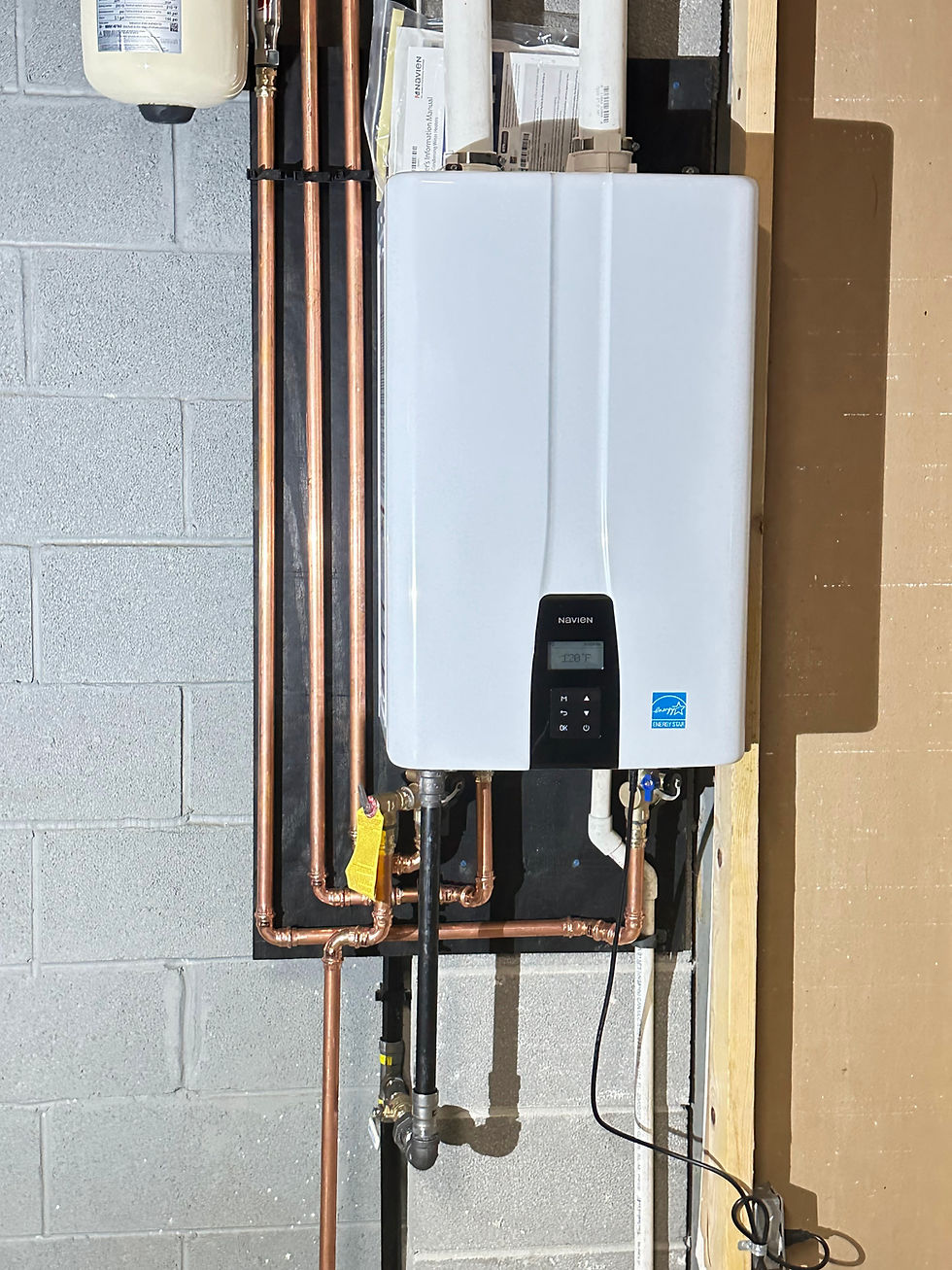
Water treatment and hot-water equipment should be planned together. A tankless water heater is highly efficient, but its compact heat exchanger is sensitive to mineral scaling. A household with hard water may need regular descaling if no appropriate hardness treatment is installed.
Tank water heaters also benefit from better water quality. Scale and sediment can contribute to rumbling sounds, slower recovery, reduced usable hot water, and premature component wear. Treatment will not repair an existing failed water heater, but it can help protect a new installation from conditions that shorten service life.
This is why a recommendation should account for your current water heater type, its age, and future plans. A homeowner considering a tankless, hybrid heat-pump, gas, or conventional tank replacement should not treat water quality as a separate afterthought.
Questions to Ask Before Buying Either System
Before choosing equipment, ask what the system is designed to remove or reduce. Ask for water-test results, including hardness and any relevant well-water concerns such as iron, manganese, pH, sulfur, or sediment. You should also know what maintenance the system needs, whether it requires a drain, how it will affect your plumbing layout, and what ongoing costs to expect.
Be cautious with promises that a salt-free conditioner will deliver all the benefits of a softener without any trade-offs. Likewise, do not assume every home needs a full softener just because it has some scale. An honest recommendation starts with the problem you are actually trying to solve.
Makeithot Water Heaters LLC can evaluate both your water quality and the equipment it affects, then explain whether a Water Right softener, conditioner, filtration system, or a combined approach fits your home. For homeowners weighing a repair or replacement water heater, that coordinated approach can prevent an expensive new appliance from facing the same untreated water conditions.
If you are seeing scale, staining, odors, or changes in hot-water performance, schedule a water evaluation before buying equipment. Clear test results and a properly sized system give you a better chance of solving the problem once instead of paying twice.

Comments