

Why Is My Water Heater Not Heating? 9 Causes
Updated: Sep 12
A cold shower makes the question urgent: why is my water heater not heating? The answer may be as simple as a tripped breaker or a pilot light that went out. It can also point to a failed heating element, a gas-supply problem, heavy sediment buildup, or a worn-out unit. A few safe checks can narrow it down quickly, but water heaters combine electricity, gas, combustion, pressure, and very hot water. Know where homeowner troubleshooting ends.
Start by noticing what kind of hot-water problem you have
The pattern matters. If there is no hot water anywhere in the house, the water heater itself is the likely source. If one faucet or shower is cold while the rest of the home has hot water, the problem may be a fixture cartridge, mixing valve, or plumbing crossover instead.
If the water starts hot but turns cold unusually fast, the heater may be making some heat but not enough. On a conventional tank unit, that often means a failed lower electric element, a broken dip tube, sediment taking up tank space, or a burner that is not keeping up. With a tankless unit, restricted water flow, scale, or an error condition can limit heating.
Also consider when the trouble began. A sudden loss of hot water after a storm or electrical work points in one direction. A gradual decline over months, especially in a Northeast Ohio home with hard water or well water, points more often to scale, sediment, or aging components.
Why is my water heater not heating on a gas unit?
A gas water heater needs fuel, ignition, air for combustion, and a working venting system. One interruption can leave the tank cold.
The pilot light or electronic ignition has failed
Older atmospheric-vent water heaters often use a standing pilot. If it is out, follow the lighting instructions printed on the unit only if you do not smell gas and feel comfortable doing so. If the pilot will not stay lit, the thermocouple, pilot assembly, gas control valve, or combustion air supply may be at fault.
Many newer gas, power-vent, and high-efficiency units use electronic ignition instead. A blinking status light or displayed error code can help identify the issue. Do not assume a reset will solve it. Repeated lockouts can indicate a venting, condensate, pressure-switch, ignition, or gas-control problem that needs professional diagnosis.
Gas supply is interrupted or insufficient
Check whether other gas appliances are working. If your furnace, range, or gas fireplace also will not operate, contact the gas utility or a qualified gas professional. If only the water heater is affected, verify that the appliance shutoff valve is open. The handle should be parallel to the gas pipe.
Do not try to adjust gas pressure, disassemble piping, or bypass a safety device. Gas-system work requires the right testing equipment and a licensed professional.
The burner cannot get enough combustion air or vent properly
Gas water heaters need adequate air and a clear, correctly installed vent path. Dust, lint, stored boxes, paint chemicals, or a blocked intake can create trouble. Power-vent and direct-vent systems add fans, switches, PVC venting, and condensate components that must all work together.
If you see soot, smell exhaust indoors, notice melted plastic near venting, or hear an unfamiliar rumbling or roaring sound, turn the unit off if it is safe to do so and arrange service promptly. Carbon monoxide concerns are not a wait-and-see repair.
Common reasons an electric water heater stops heating
Electric tank water heaters usually have two heating elements and thermostats behind access panels. They may look simple, but live electrical parts and stored hot water make internal repairs a job for a trained technician.
A breaker has tripped or the disconnect is off
At the electrical panel, look for a tripped double-pole breaker labeled water heater. Reset it once by moving it fully off and then back on. If it trips again, leave it off. A failed element, damaged wiring, or electrical fault can be the cause.
Some homes also have a nearby disconnect switch. Make sure it has not been turned off accidentally. Do not repeatedly reset a breaker to force the heater to run.
One or both heating elements have failed
A failed upper element can leave you with little or no hot water. A failed lower element often produces a small amount of hot water that runs out quickly. Element failure is common as a unit ages, particularly where mineral-heavy water creates scale on the element surface.
Replacing an element can be a reasonable repair on a younger tank in otherwise good condition. On an older unit with rust, leaks, or multiple failing parts, replacement may be the more dependable and cost-conscious option.
A thermostat or high-limit switch has opened
Electric units use thermostats to control water temperature and a high-limit safety switch to prevent overheating. A tripped high-limit may be a one-time event, but it can also signal a thermostat problem or wiring issue. The cause should be identified before the heater is put back into regular service.
Tankless and hybrid water heaters have different failure points
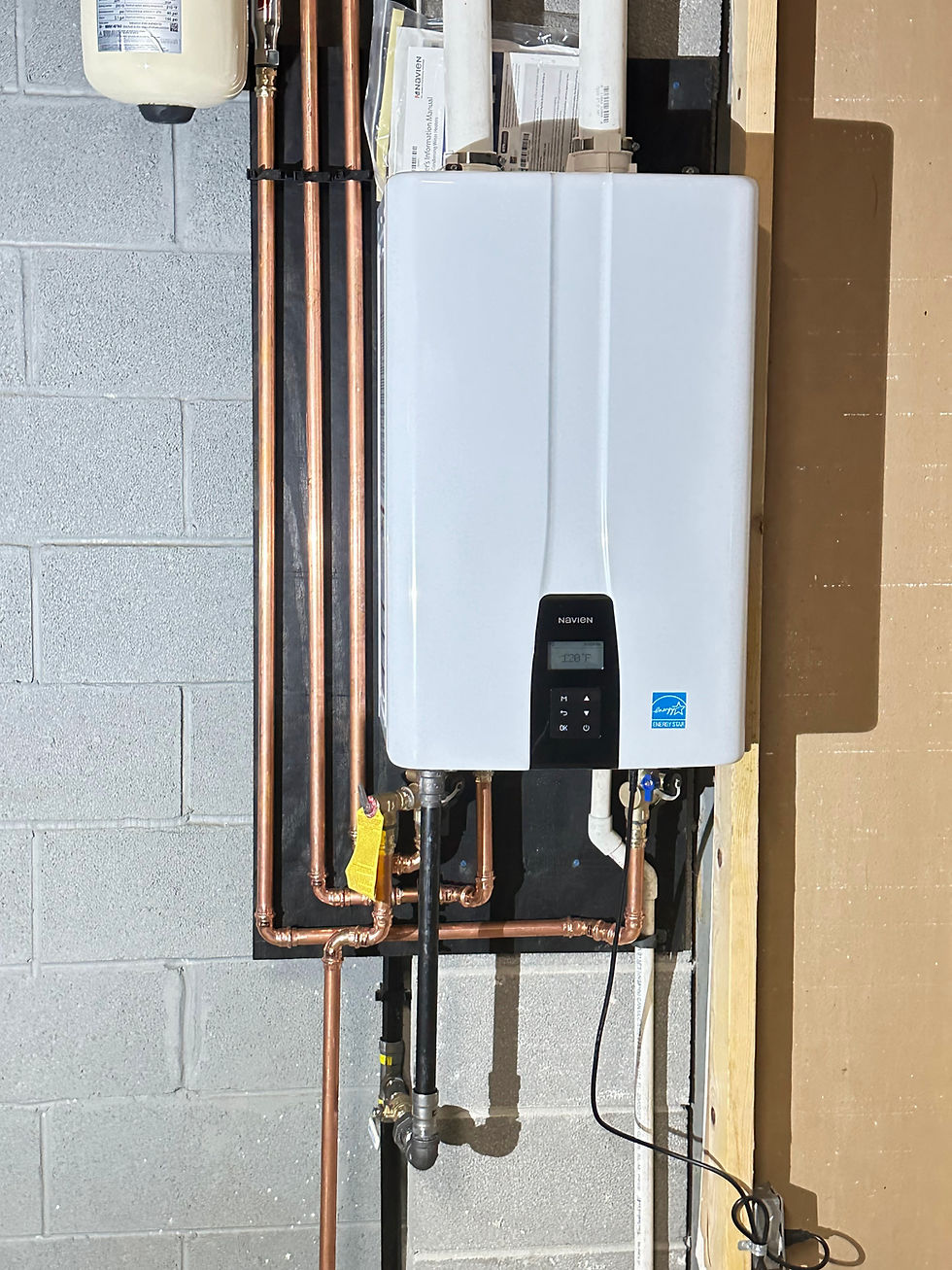
Tankless water heaters do not store a reserve of hot water. They heat water only when flow activates the unit, so an error code, restricted flow, or maintenance issue can stop hot water immediately.
A dirty inlet screen, scaled heat exchanger, clogged aerator, inadequate gas supply, frozen or damaged venting, or condensate drainage issue can all affect a tankless system. If the screen shows an error code, write it down before turning power off. That detail helps a technician diagnose the unit faster.
Hybrid heat-pump water heaters use both a heat pump and electric resistance elements. They need proper airflow around the unit, a working condensate drain, and enough time to recover in heat-pump mode. In a cold basement, recovery can be slower than a conventional electric tank. Switching to a higher-demand operating mode may help temporarily, but it can use more electricity. A technician can determine whether the issue is normal recovery behavior, a setting, or a component failure.
Sediment and hard water can quietly reduce hot-water performance
Mineral sediment settles in the bottom of conventional tank water heaters. Over time, it forms an insulating layer between the burner or lower element and the water. The result can be slow recovery, popping or rumbling noises, higher operating costs, and less usable hot water.
Homes on private wells and homes with hard municipal water can see these problems sooner. Water softening and properly selected treatment equipment can protect fixtures, plumbing, and water-heater components, but the right approach depends on a water test and the specific minerals present. Softening is not automatically the answer to every water-quality problem.
Flushing a tank can help when sediment is addressed early. On a very old heater that has never been maintained, aggressive flushing may expose a weakened drain valve or existing corrosion. That does not mean maintenance caused the failure. It means the tank was already near the end of its service life. An honest inspection can help you decide whether repair, maintenance, or replacement makes sense.
Check for a plumbing problem before replacing the heater
Sometimes the water heater is producing hot water correctly, but cold water is mixing into the hot line. A failed single-handle faucet cartridge, thermostatic mixing valve, recirculation component, or cross-connected plumbing line can cause lukewarm water throughout the home.
This is especially worth investigating when the tank feels hot, the temperature setting is normal, and the hot-water supply changed suddenly. A qualified technician can test for crossover and check temperature safely at the heater and fixtures. Raising the thermostat without finding the cause can create a scalding risk without solving the problem.
When to call for water heater service right away
Turn off the water heater and seek prompt professional help if you smell gas, see water leaking from the tank itself, find scorching or damaged wiring, notice soot or exhaust odors, or have a carbon monoxide alarm activation. Call emergency services or your gas utility as appropriate if there is a suspected gas leak or carbon monoxide danger.
For less immediate problems, service is still worthwhile when the pilot repeatedly goes out, a breaker continues to trip, a tankless heater displays recurring errors, hot water runs out rapidly, or the unit makes loud new noises. A proper diagnosis should include the equipment condition, venting or electrical checks as needed, water quality factors, and a clear explanation of repair versus replacement options.
Makeithot Water Heaters LLC provides licensed, insured, specialized water-heater service across Northeast Ohio, including gas, electric, power-vent, tankless, hybrid, and conventional tank systems. If the diagnosis shows replacement is the better choice, you should receive straightforward options, not pressure to buy more than your home needs.
Before the next cold shower becomes a household emergency, take note of the heater type, approximate age, any error code, and exactly how the hot-water problem behaves. That information gives a qualified technician a head start and helps get dependable hot water back with the right repair.

Comments