


Are Tankless Water Heaters Worth It in Ohio?
A tank water heater can fail on a cold Northeast Ohio morning and turn a planned upgrade into an urgent decision. That is when many homeowners ask, are tankless water heaters worth it? They can be, but the honest answer depends on your household’s hot-water habits, fuel source, installation conditions, and water quality.
A properly selected tankless unit delivers a very different experience from a conventional tank. It heats water as it moves through the appliance, rather than keeping 40 or 50 gallons hot all day. That means long showers and back-to-back hot-water use without waiting for a tank to recover. It does not mean every home will save enough energy or avoid enough installation work to make tankless the automatic best choice.
Are Tankless Water Heaters Worth It for Your Home?
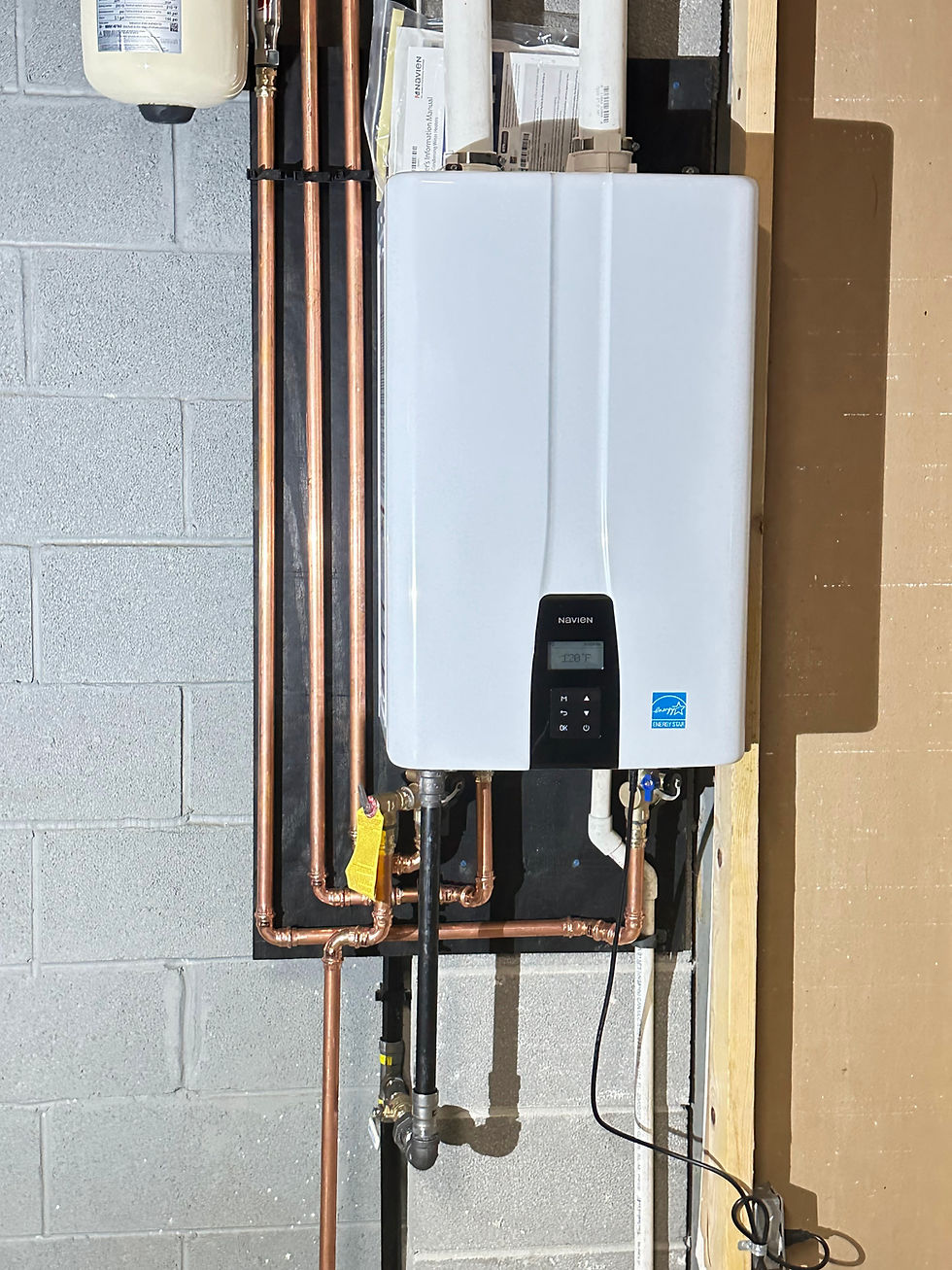
Tankless water heaters tend to make the most sense for homeowners who want a longer-term upgrade, use a meaningful amount of hot water, and plan to stay in the home. They are also a strong fit for homes where the existing water heater is in the way. A wall-mounted tankless unit can free up valuable floor space in a utility room, basement, closet, or finished area.
The biggest benefit is continuous hot water within the unit’s capacity. A well-sized gas tankless water heater can support a shower while someone runs hot water at a sink or dishwasher. Larger homes may need a higher-capacity model, a recirculation system, or in some cases more than one unit. The goal is not simply to buy the biggest heater available. It is to match the equipment to real demand.
Tankless systems also typically have a longer expected service life than standard tank-style water heaters when they are installed correctly and maintained. There is no large storage tank sitting full of hot water, so the risk of a tank rupture is removed. The unit still has valves, sensors, heat exchangers, venting, gas connections, and electronic components that need professional attention when something is wrong.
For a household with one or two people, modest hot-water use, and a sound existing tank installation, a quality conventional tank water heater may offer better upfront value. For a large family that regularly runs out of hot water, tankless can be a practical comfort upgrade, not just an energy-efficiency purchase.
The Real Cost Includes More Than the Heater
A tankless water heater usually costs more to purchase and install than a comparable standard tank model. The final price is shaped by the work around the appliance, not only the brand and model number.
Many gas tankless units need a properly sized gas line because they can draw significantly more BTUs while operating than a typical tank water heater. The venting may need to be replaced or rerouted. Depending on the model and installation location, the job may require PVC, polypropylene, or stainless-steel venting, as well as a condensate drain for high-efficiency condensing equipment. Electrical power is also needed for controls, ignition, and freeze protection.
These upgrades are not optional extras. They are part of a safe, code-conscious installation. A lower quote that skips gas-line evaluation, venting requirements, water-pressure checks, or proper isolation valves can become expensive later.
Electric tankless water heaters have their own challenge. Whole-home electric models often require substantial electrical capacity, multiple dedicated breakers, and heavy-gauge wiring. In many Northeast Ohio homes, upgrading the electrical service to support one can make the project less attractive than gas tankless, a conventional electric tank, or a hybrid heat-pump water heater.
Energy savings are real for many households, but they should be viewed honestly. Tankless units avoid standby heat loss because they do not store a large volume of heated water. Savings are often most noticeable when hot-water use is lower or spread throughout the day. If a busy household uses a great deal of hot water, the comfort benefit may be more valuable than the utility-bill difference.
Cold Groundwater Changes Tankless Sizing
A tankless water heater is rated by how many gallons per minute it can heat at a specific temperature rise. That detail matters in Ohio. Winter groundwater entering your home can be quite cold, so the heater has to work harder to raise it to a comfortable shower temperature.
A unit that appears capable of supplying several fixtures in a warm-weather rating may deliver less flow during the coldest part of the year. This is why sizing should start with the fixtures your family actually uses at the same time. Think about morning routines: two showers, a kitchen faucet, laundry, or a dishwasher running together can create a very different demand than a single shower.
What proper sizing looks at
A qualified installer should consider incoming water temperature, desired hot-water temperature, fixture flow rates, number of bathrooms, peak simultaneous use, fuel availability, venting route, gas-pipe capacity, and the home’s water pressure. For homes with long plumbing runs, the conversation should also include how long you wait for hot water at distant fixtures.
A built-in or dedicated recirculation system can reduce that wait and save water that would otherwise go down the drain. It can be especially useful in larger homes, but it adds cost and should be set up thoughtfully. Constant recirculation can reduce some of the efficiency advantage, so timer, demand-controlled, or smart recirculation options are often worth discussing.
Water Quality Can Decide the Long-Term Value
Hard water is common in parts of Northeast Ohio, and well-water homes can have additional concerns such as iron, sediment, sulfur odor, or acidity. These conditions matter with every water heater, but tankless heat exchangers have narrow passages where mineral scale can build up.
Without maintenance, scale can reduce flow, make the unit work harder, trigger error codes, and shorten component life. A tankless heater should have service valves installed so it can be flushed properly. Annual service is a sensible baseline in many homes, while hard-water or well-water conditions may call for more frequent attention.
Water treatment is not a sales add-on when the water chemistry calls for it. A properly selected softener, filtration system, or treatment setup can protect a tankless heater, fixtures, plumbing, and appliances throughout the house. Before choosing equipment, it is wise to understand what is actually in the water rather than guessing based on spots on glassware or a sulfur smell.
Tankless vs. Tank vs. Hybrid Water Heaters
Tankless is one good option, not the only modern one. A conventional gas or electric tank water heater remains a dependable and cost-effective solution for many homes. It offers lower initial cost, straightforward service, and predictable performance when sized correctly.
A hybrid heat-pump water heater can be an excellent fit for homeowners with adequate basement or utility-room space who want to reduce electric water-heating costs. It pulls heat from surrounding air, so it works best in the right environment and can cool or dehumidify the space around it. It is not usually the best choice for every small closet or cold, conditioned area.
Tankless is often the better match when floor space is limited, long showers are common, or a family wants continuous hot water and is willing to invest in the required gas, venting, and maintenance work. A high-quality tank model may be the smarter choice when budget is the priority or the home’s infrastructure does not make tankless installation practical.
Questions to Ask Before You Commit
Before replacing your water heater, ask whether your household runs out of hot water now, how many fixtures operate at the same time, whether you have natural gas or propane, and whether your electrical panel and gas line have been evaluated. Ask about the venting plan, condensate handling, maintenance requirements, warranty coverage, and whether your water should be tested for hardness or other treatment needs.
Also ask for an explanation of alternatives. An honest recommendation should include why a specific tankless model fits your home and when another type of water heater may serve you better. The right answer should not depend on which unit happens to be easiest to sell.
For Northeast Ohio homeowners, Makeithot Water Heaters LLC can evaluate the full installation picture, including tankless, conventional tank, and hybrid options, along with gas, plumbing, venting, and water-quality concerns. A second opinion is especially useful when a quote seems vague about what is included.
The best water heater is the one that gives your household dependable hot water without creating avoidable costs or maintenance headaches. If tankless fits your demand, infrastructure, and water conditions, it can be a worthwhile investment for years of more comfortable daily use.

Comments