


Let's talk about tankless water heaters
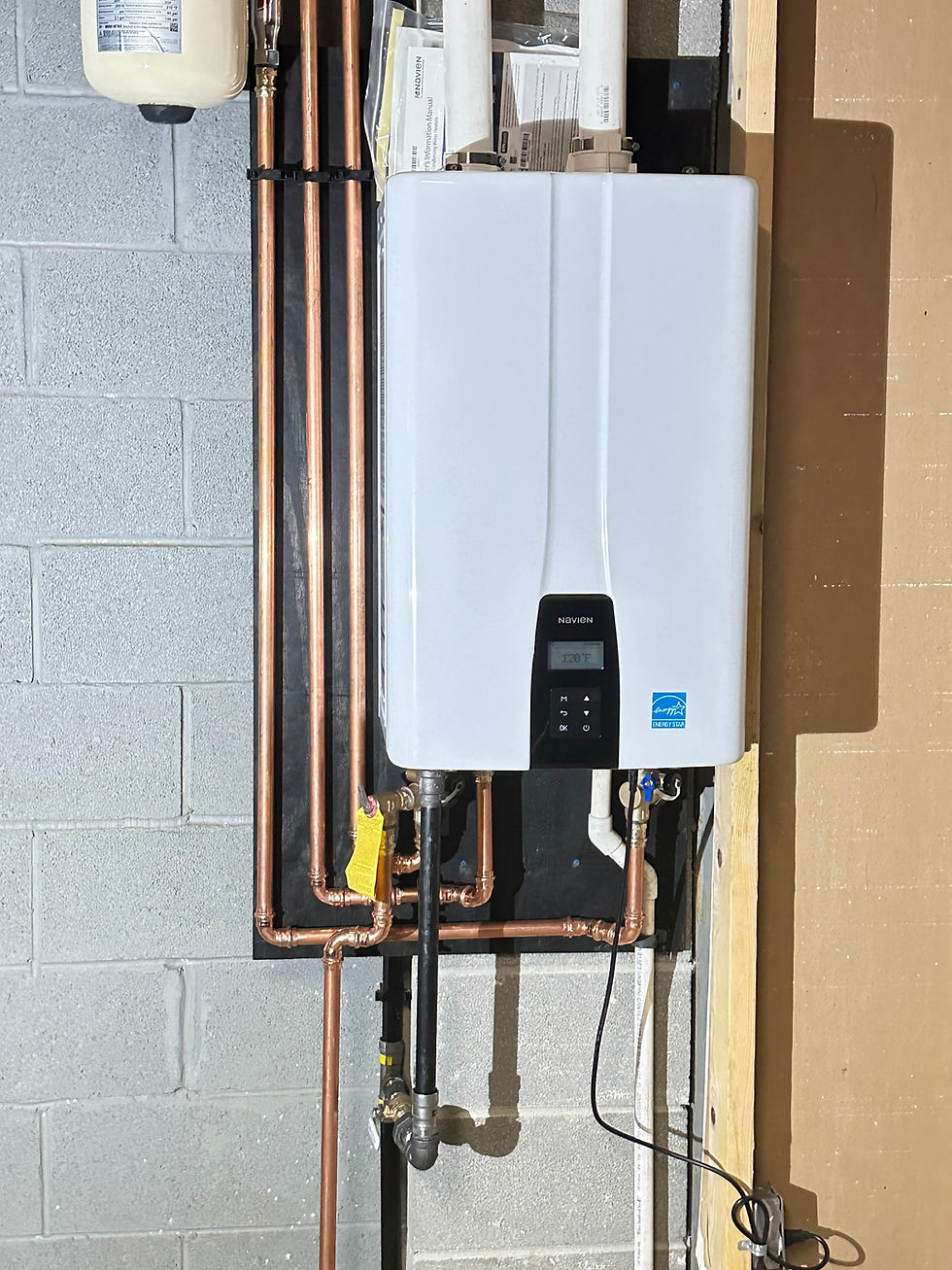
People often debate whether tankless water heaters are truly worthwhile. The answer varies, as each home and situation is different. When a high-quality tankless water heater is installed by a skilled professional who follows all standards, manufacturer guidelines, and code requirements, it can be transformative. However, installing a low-quality unit or having it improperly installed by an unqualified person can cause significant problems. The advantages of tankless water heaters include the obvious benefit of unlimited hot water. If your current water heater can't meet demand, a tankless system might be a better choice. When installed correctly, they are more efficient, reduce wait times, and minimize water waste while waiting for hot water to reach your fixtures.
Properly installed tankless water heaters are highly reliable and require minimal maintenance. Many companies even offer annual maintenance contracts. AO Smith and State now have models that don't require annual descaling while still maintaining the manufacturer’s 15-year heat exchanger warranty.
On the downside, consider the initial upfront cost, which is higher than that of a standard tank-type water heater. Installing a tankless unit is not a task for just any homeowner or plumber; it requires specialized service. In some cases, homes with minimal usage may find it hard to justify the switch. Factors like ventilation and chimney liners must be considered when opting for a more cost-effective atmospheric vent tank-type water heater. There are many brands, but not all are equal, and quality products are not typically found in box stores. We use brands like Navien, State, and AO Smith because of their support, efficiency, warranties, technical support availability, and the availability of locally sourced parts. It's important that manufacturers provide parts years down the line, as nobody wants to replace a 10-year-old tankless unit due to unavailable parts. Factors such as water quality and gas line sizing and pressure are crucial for performance and lifespan.
Cost is always a consideration in any installation. It might be difficult to justify replacing a standard 40-gallon tank that meets your needs. However, when replacing larger units like 75 or 80-gallon tanks or more efficient power-vented units, a tankless system is often more advantageous.
A common question is whether to choose gas or electric. Our recommendation is always gas. If you're replacing an electric water heater, there's a stronger case for a high-efficiency hybrid heat pump water heater. Most homes lack the electrical power and infrastructure to support electric tankless water heaters. In these cases, a hybrid heat pump will efficiently meet your needs with the current wiring setup.
Things you can do as a homeowner to ensure you have the right contractor for the job:
Ask questions like: Are you licensed and insured? How much experience do you have with this brand? How much training have you completed? How often do you complete new training? Do you pull permits and can I see recent photos? Google reviews will also tell you a lot.


Comments