


Water Heater Replacement Cost in Northeast Ohio
A cold shower is stressful enough without wondering whether you are being quoted a fair price. Water heater replacement cost depends on far more than the tank or unit itself. In Northeast Ohio, the right price reflects the equipment, the condition of your existing plumbing and gas connections, venting requirements, local code, and the water conditions inside your home.
A qualified installer should be able to explain those factors in plain language before work begins. The goal is not simply to get hot water back today. It is to install a system that is safe, properly sized, code-compliant, and built to provide dependable service for years.
What Does Water Heater Replacement Cost Include?
For a straightforward replacement, a conventional electric tank water heater may commonly fall around $1,400 to $2,700 installed. A standard atmospheric-vent gas tank water heater often lands around $1,800 to $3,500. Those figures are useful starting points, not promises, because homes differ substantially.
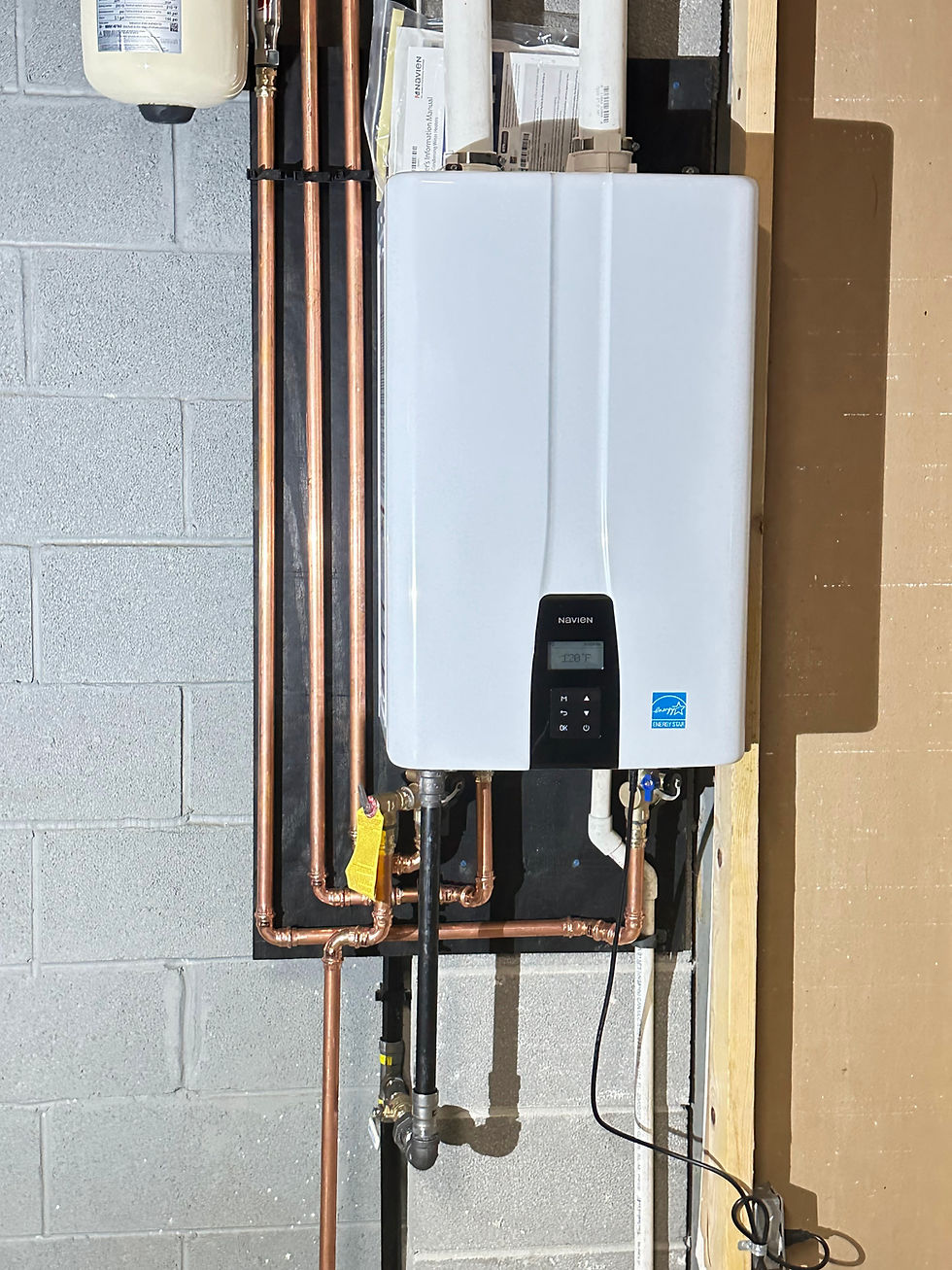
Power-vent water heaters typically cost more, often in the $2,800 to $5,000 range, because they use an electrically powered blower and specialized venting. Hybrid heat-pump models commonly run roughly $2,600 to $5,000 installed, depending on capacity, electrical work, condensate drainage, and the installation location. Tankless water heater replacement can range from about $3,500 to $7,000 or more when gas piping, venting, electrical upgrades, or major plumbing changes are needed.
An honest quote should account for the full job, not just the appliance. That can include removal and disposal of the old heater, delivery, new water and gas connections, shutoff valves, venting materials, expansion equipment, drain piping, permit fees when required, startup, and testing. If a quote appears dramatically lower than the others, ask what it excludes.
The Equipment You Choose Has the Biggest Effect
A basic tank water heater is usually the least expensive replacement option when the home already has the proper connections. It stores a set amount of hot water, and it is a practical choice for many households. Capacity matters: a 40-gallon unit may work for a smaller household, while a busy family may need 50 gallons or more. Choosing too small a tank can save money upfront but create daily frustration at shower time.
Gas tank heaters generally recover hot water faster than electric tank models, but the correct choice depends on what your home already supports. Changing from electric to gas is not a simple swap. It may require a properly sized gas line, combustion air, venting, and other upgrades. In some homes, staying electric is the more sensible and cost-effective decision.
Power-vent models are used when conventional chimney venting is unavailable or unsuitable. They can vent through approved plastic piping and offer placement flexibility, but the system is more complex and requires electrical power. A power outage can temporarily affect operation, and replacement costs are typically higher than an atmospheric model.
Tankless water heaters are appealing because they heat water on demand and do not store a large tank of hot water. They can be an excellent long-term fit for the right household, especially where space is limited or demand is high. Still, tankless is not automatically the cheapest or best option. Many homes need larger gas lines, new venting, condensate drainage, electrical service, or water-treatment improvements before a tankless unit can perform as intended.
Hybrid heat-pump water heaters can lower electric water-heating costs by pulling heat from the surrounding air. They work best in a space with enough air volume and appropriate temperatures, such as a basement or utility area. They also create condensate and can cool and dehumidify the room, which may be a benefit or a drawback depending on the location.
Brand and Warranty Differences Matter
Professional-grade equipment from established manufacturers such as A. O. Smith ProLine, Bradford White, State, Navien, Noritz, Rinnai, and Rheem can vary in price based on efficiency, controls, tank construction, warranty length, and available parts. A lower equipment price is not always a better value if it means reduced durability or limited service support later.
The right comparison is not just one model against another. Compare the installed system, warranty coverage, expected maintenance, and whether the installer is equipped to service it after the job is complete.
Installation Conditions Can Change the Price
The easiest water heater replacement is a like-for-like exchange in an accessible basement or utility room with sound existing connections. Costs rise when an installer must correct unsafe work, relocate equipment, rebuild venting, or modify plumbing and gas piping.
Older Northeast Ohio homes often have details that need attention. Corroded shutoff valves may not operate. Existing vent pipes may be undersized, improperly sloped, or no longer acceptable for the new unit. A gas line that served an older heater may not have enough capacity for a high-output tankless model. These are not extras invented to inflate a bill. They are issues that affect safe operation and code compliance.
Access matters as well. A heater located in a tight crawlspace, finished room, attic, or difficult stairwell takes more labor and planning than one sitting beside an exterior basement door. If the replacement requires moving the old tank through finished areas, protecting floors, or adding a drain pan and drain line, those factors belong in the estimate.
Permits and inspections may also apply depending on the municipality and the work being completed. Licensed, insured installers understand that a permitted installation is not paperwork for paperwork's sake. It provides a check that fuel-gas, venting, pressure relief, electrical, and plumbing safety requirements are addressed.
Do Not Skip Expansion and Safety Equipment
A replacement is the right time to inspect the parts around the water heater, not merely the heater itself. In many closed plumbing systems, a thermal expansion tank is needed to manage pressure changes as water heats. A failed or missing expansion tank can contribute to high pressure, dripping relief valves, and unnecessary wear on plumbing fixtures.
The temperature-and-pressure relief valve, discharge pipe, shutoff valves, drain connection, gas sediment trap, and venting all deserve attention. These items may add to the water heater replacement cost, but they are part of doing the job correctly. Reusing damaged connections to make a quote look cheaper can create a much more expensive problem later.
Water Quality Can Shorten a New Heater's Life
Hard water, iron, sediment, and other water-quality issues can affect both tank and tankless systems. On private wells, mineral-heavy water may build up inside the heater, reduce efficiency, clog fixtures, and create frequent maintenance needs. City-water homes can also have hardness or sediment concerns.
A tank water heater may rumble or lose efficiency as sediment accumulates at the bottom. Tankless units can scale internally, especially when water hardness is high, and they need periodic flushing. If water quality is contributing to repeated water-heater trouble, a water softener or properly selected Water Right treatment system may protect the new equipment and improve water throughout the house.
This does not mean every homeowner needs treatment before replacing a heater. It means the installer should ask about the water source, visible staining, scale buildup, and past equipment failures. Treating the root cause can be more valuable than replacing the same failed component again and again.
Repair or Replacement: Which Is More Practical?
If the issue is a heating element, thermostat, igniter, thermocouple, pressure switch, or small plumbing repair, fixing an existing unit may be the reasonable choice. A professional diagnosis should come before a replacement recommendation whenever repair is safe and makes financial sense.
Replacement becomes more likely when a tank is leaking, corrosion is visible, repairs are stacking up, parts are unavailable, or the unit is approaching the end of its expected service life. A leaking tank cannot be repaired safely. Waiting can risk water damage, especially if the heater sits near finished living space, electrical equipment, or stored belongings.
Ask for a clear explanation of the diagnosis, the repair cost, the age and condition of the current heater, and the expected benefit of replacement. Makeithot Water Heaters LLC provides free, honest second opinions because homeowners deserve a recommendation they can understand without high-pressure sales tactics.
How to Get a Meaningful Quote
Before approving a replacement, make sure the estimate identifies the heater type and capacity, whether venting or gas work is included, any recommended safety upgrades, permit responsibilities, and warranty details. A photo-based or phone estimate can be helpful for planning, but an on-site evaluation is often necessary when venting, gas sizing, access, or water quality may affect the installation.
The lowest initial price can be attractive when hot water is out, but incomplete work has a way of becoming expensive. A properly installed water heater gives you more than warm showers. It gives you confidence that the system serving your household was sized, connected, and tested with care. If you are facing a failed heater or planning an upgrade, call or text for a straightforward evaluation and choose the option that fits your home rather than the option that only looks cheapest on paper.

Comments