


Water Heater Repair or Replacement? Know the Signs
Updated: Sep 12
A cold shower is frustrating. A water heater leaking onto the floor, smelling like gas, or making loud banging sounds deserves faster attention. Deciding on water heater repair or replacement is not always as simple as choosing the lowest upfront price. The right answer depends on the age and condition of the unit, the failed part, your household's hot-water needs, and whether the system is safe to keep operating.
For Northeast Ohio homeowners, a qualified diagnosis can prevent two costly mistakes: replacing a unit that still has years of dependable service left, or putting more money into a tank that is already at the end of its life. A water-heater specialist should explain what failed, what the repair involves, and why repair or replacement makes practical sense for your home.
Water Heater Repair or Replacement Starts With the Failure
Many no-hot-water calls are caused by a part that can be repaired. On a gas water heater, common service issues include a failed thermocouple, igniter, pilot assembly, gas control valve, burner problem, venting concern, or a malfunctioning power vent. Electric water heaters may need a new heating element, thermostat, wiring repair, or electrical connection corrected. Tankless systems can also develop serviceable issues involving ignition, sensors, valves, venting, condensate drainage, or mineral buildup.
A repair is often a sensible choice when the tank itself is sound, the equipment is within a reasonable age range, and the needed part is available. Replacing a worn heating element on an otherwise healthy electric water heater is very different from trying to keep an old, rusting tank alive after it has started leaking.
The source of the problem matters more than the symptom. Rust-colored water, for example, can come from deteriorating plumbing or a water heater anode rod. Reduced hot-water capacity may be caused by a failed element, excessive sediment, a broken dip tube, or simply a tank that no longer matches the household's demand. A proper inspection identifies the cause before anyone recommends a solution.
When Repair Usually Makes Sense
Repair is commonly the better value when a water heater is relatively young and the problem is isolated. A conventional tank water heater that is only a few years old may have plenty of usable life remaining after a professional repair. The same can be true for a higher-quality tankless unit that has been installed correctly and maintained on schedule.
Consider repair if the unit has no tank leak, the repair cost is moderate compared with replacement, and it has performed reliably before the current issue. Homeowners should also ask whether the repair addresses the actual cause. If a gas water heater has repeated ignition trouble because of a venting or combustion-air problem, replacing one component without correcting the underlying condition will not provide a lasting fix.
Maintenance can also make repair more worthwhile. Tankless water heaters need periodic flushing in many homes, especially where mineral content is high. Conventional tanks benefit from checking the anode rod, pressure-relief valve, expansion-tank setup when applicable, and sediment level. On well water, hardness, iron, sulfur, and sediment can shorten the life of water-heating equipment if the water is not properly treated.
Signs Replacement Is the Smarter Investment
A leaking tank is the clearest replacement signal. Once the steel tank itself has corroded through, it cannot be reliably repaired. Water may appear around the base of the unit, but a technician should confirm whether the leak is from the tank, a plumbing connection, the relief valve, or condensation. Connections and valves can sometimes be repaired. A failed tank cannot.
Age is another major factor. Many conventional tank water heaters last roughly 8 to 12 years, although water quality, installation quality, maintenance, usage, and equipment type all affect lifespan. If an older heater needs an expensive gas valve, power vent motor, or multiple repairs, replacement can offer better long-term value than another short-term fix.
Other signs that point toward replacement include repeated breakdowns, visible corrosion at the tank or fittings, declining hot-water capacity, loud rumbling from heavy sediment, and operating costs that no longer make sense. A water heater that runs out of hot water during normal family routines may still be repairable, but it may also be undersized for the home.
Safety concerns should never be treated as a wait-and-see issue. Call for professional service promptly if you smell gas, see scorch marks, notice soot, suspect improper venting, find water near electrical components, or have a relief valve discharging repeatedly. Turn off the equipment if it can be done safely, follow gas utility guidance when gas is involved, and do not attempt gas-line or combustion repairs yourself.
Compare the Real Cost, Not Just Today's Invoice
The cheapest option today is not automatically the least expensive option over the next several years. A repair might restore hot water quickly for a fraction of replacement cost. That is a good outcome when the unit is likely to remain dependable. But putting a significant repair into a 12-year-old tank can be difficult to justify if another major component, or the tank itself, may fail soon.
A practical comparison includes the repair price, the heater's age, expected remaining service life, warranty coverage, energy use, and whether the existing unit is correctly sized. It should also account for work around the heater. Changes to venting, gas piping, electrical service, drainage, expansion control, shutoff valves, or water treatment may be needed for a safe and code-conscious installation.
Ask for a clear explanation of both paths. You should know what a repair is expected to accomplish, whether other worn components were observed, and what replacement options are available without pressure. A free honest second opinion can be especially valuable when a homeowner has been told that replacement is the only answer.
Choosing a Replacement That Fits Your Home
If replacement is the right call, the next decision is not simply picking the largest tank. The best water heater matches your fuel source, household size, peak demand, available space, venting arrangement, budget, and plans for the home.
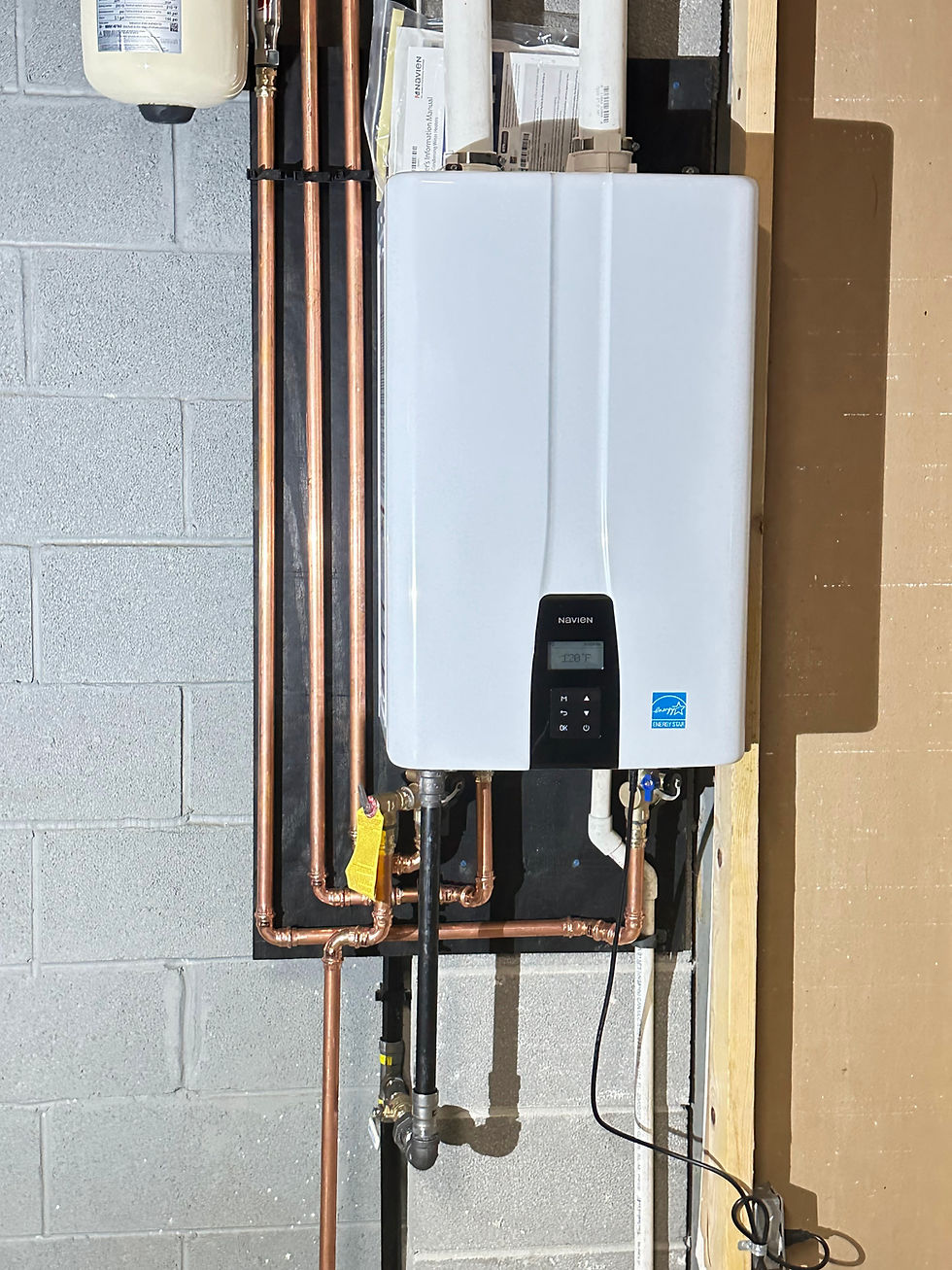
A standard gas or electric tank remains a dependable choice for many households. It is familiar, straightforward, and available in a range of capacities. A power-vent model may be necessary where conventional chimney venting is not available. Tankless water heaters provide hot water on demand and can be an excellent fit for some homes, but proper sizing, gas capacity or electrical supply, venting, and water quality all matter. They are not a one-size-fits-all upgrade.
Hybrid heat-pump water heaters can reduce electric water-heating costs, particularly in a suitable basement or utility area. They need adequate space and operate differently from a standard electric tank, so the surrounding temperature, noise expectations, condensate drainage, and household usage should be considered before installation.
Water quality belongs in the conversation, too. Hard water can create scale on heating elements and inside tankless heat exchangers. Well-water conditions may introduce iron, sediment, or odor issues that affect fixtures and equipment. In some homes, a properly selected water-treatment system is part of protecting the new water heater and improving day-to-day water use.
What a Good Service Visit Should Include
A trustworthy service call should not begin and end with a sales pitch. The technician should inspect the equipment, verify the failure, consider safety conditions, and discuss the available choices in plain language. For gas equipment, that may include checking combustion, venting, gas connections, ignition components, and proper operation. For electric units, it may include testing elements, thermostats, voltage, wiring, and controls.
If replacement is recommended, the proposal should identify the type and capacity of the new unit and explain any necessary related work. Professional installation is about more than setting a new tank in place. It includes correct connections, required safety devices, code-aware venting or electrical work, startup checks, and removal of the old equipment.
Makeithot Water Heaters LLC helps homeowners throughout Northeast Ohio evaluate gas, electric, power-vent, tankless, and hybrid water-heater options with licensed, insured, certified service and straightforward recommendations. Same-day service may be available when a no-hot-water problem cannot wait.
Before approving either option, ask how long the repair is expected to last, whether the tank is showing corrosion, what warranty applies, and whether water quality or household demand is contributing to the failure. Those answers turn an urgent hot-water problem into a decision you can feel confident about. If you are unsure, call or text for a professional diagnosis and a clear second opinion before spending money on the wrong solution.

Comments