


7 Causes of Low Hot-Water Pressure at Home
A shower that goes from strong to disappointing only when you turn the handle toward hot is more than an annoyance. The causes of low hot-water pressure range from a small blockage at one faucet to mineral buildup, a partly closed valve, or a restriction near the water heater. The useful first question is simple: Is the problem at one fixture, or throughout the house?
Your water heater heats water, but it does not create the pressure. Pressure comes from the municipal supply, a well system, or pressure equipment in your home. When cold-water pressure is normal but hot-water pressure is weak, the restriction is usually somewhere along the hot-water side. Finding where that restriction begins prevents unnecessary replacement and helps you make a repair decision based on facts.
Start by Comparing Fixtures
Test the hot and cold water at a few locations: a kitchen faucet, a bathroom sink, and a shower or tub. Run each one separately and compare the flow. Do not judge pressure by a showerhead alone, since a clogged showerhead can make an otherwise healthy system seem weak.
If only one faucet or shower has poor hot-water flow, the water heater is rarely the culprit. If every hot fixture is weak while cold water remains strong, look more closely at the hot-water distribution system, water heater connections, and valves. If both hot and cold water are weak everywhere, the issue may involve the incoming water supply, pressure regulator, well equipment, or a whole-house treatment system instead.
Common Causes of Low Hot-Water Pressure
1. A clogged aerator, showerhead, or faucet cartridge
This is the best-case scenario and one of the most common. Faucet aerators and showerheads collect mineral particles, scale, and small pieces of deteriorated plumbing components. A faucet cartridge can also become restricted internally, especially in homes with hard water or older plumbing.
A single affected fixture points strongly in this direction. Cleaning or replacing the aerator, showerhead, or cartridge may restore flow quickly. However, if debris returns after cleaning, it is worth finding out where it is coming from. Repeated particles can indicate sediment in the water heater, aging piping, or a treatment-system issue.
2. A partly closed hot-water shutoff valve
Many fixtures have individual hot-water shutoff valves below the sink or behind an access panel. Water heaters also have a cold-water supply valve and may have service valves, particularly on tankless equipment. A valve that was never fully reopened after a repair can noticeably limit flow.
Valves can fail internally as well. A handle may turn normally even when the internal gate, washer, or ball is damaged or obstructed. For that reason, a valve should not be assumed to be open simply because the handle position looks right. A trained technician can verify flow through the valve without damaging older components.
3. Mineral scale and sediment at the water heater
Northeast Ohio homes can see hard-water conditions from both municipal supplies and private wells. Over time, minerals can settle in a conventional tank water heater or collect at hot-water outlet connections. Sediment does not always cause low pressure, but heavy buildup can restrict water movement or release particles that clog fixture screens and cartridges.
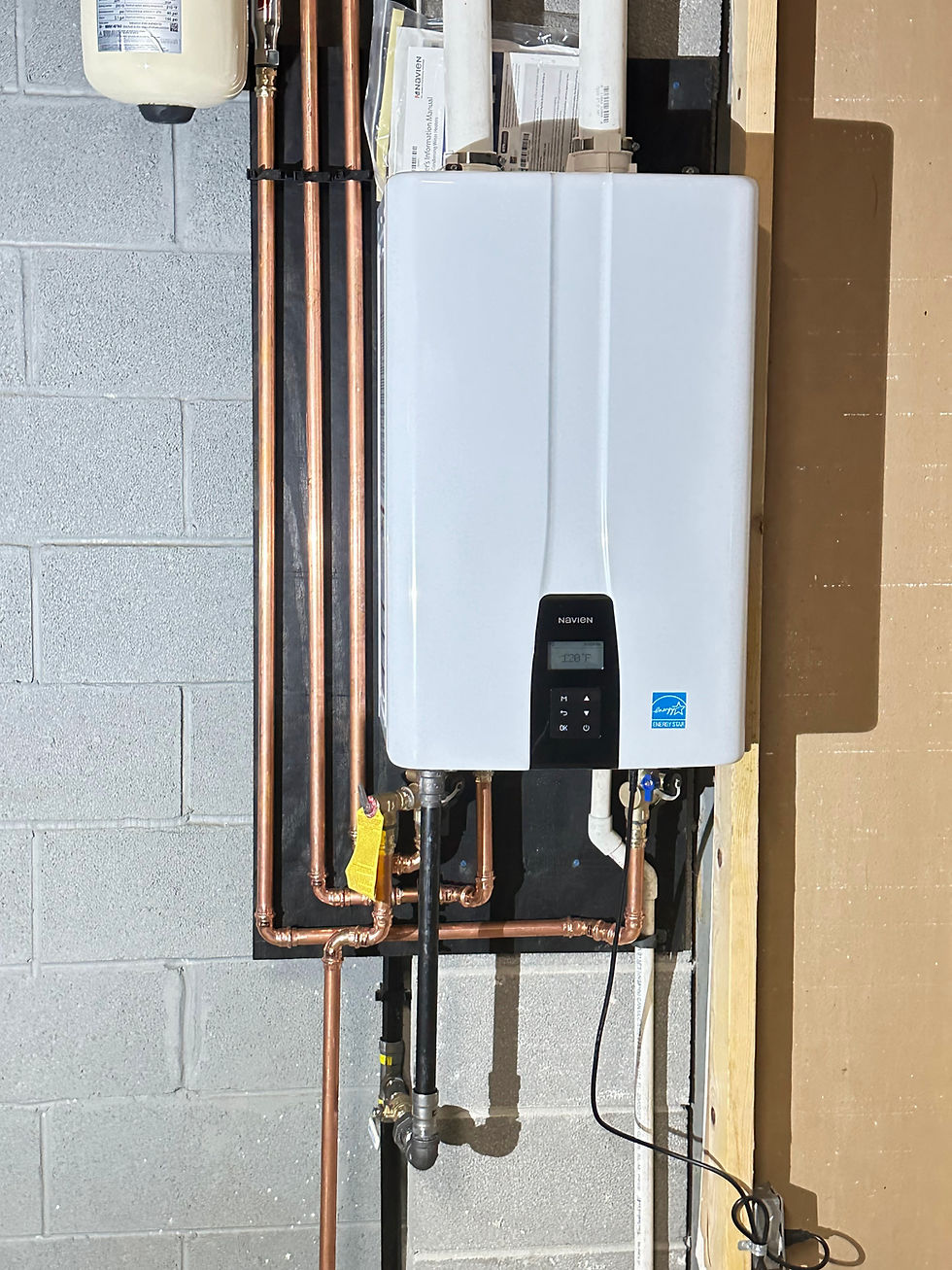
Scale is particularly relevant with tankless water heaters. Their heat exchangers use narrow water passages, which makes regular flushing important where water hardness is high. When scale accumulates, you may notice reduced hot-water flow, inconsistent temperature, error codes, or a unit that cannot keep up with demand.
A tank water heater with extensive internal buildup may still heat water but perform poorly and use more energy. Whether maintenance is worthwhile depends on the unit's age, condition, water quality, and how severe the restriction is. An honest diagnosis should distinguish between a serviceable buildup issue and a water heater nearing the end of its useful life.
4. Restriction in the hot-water outlet or connecting pipe
The hot-water outlet at the top of a tank-style heater, the piping immediately above it, and flexible connectors can all become restricted. Corrosion, scale, installation debris, or a deteriorated connector liner can reduce hot-water flow to the whole house.
This problem is easy to miss because the water heater may be producing plenty of hot water. The symptom is not a short supply of hot water. It is a reduced volume of water at every hot fixture. A professional can isolate the heater and test flow at key points to determine whether the restriction is at the unit or farther down the plumbing system.
5. Corroded or undersized hot-water piping
Older galvanized steel water lines gradually corrode from the inside. The opening inside the pipe becomes smaller over years of mineral buildup and rust, reducing flow even though the outside of the pipe may look fine. Hot-water lines often show the problem first because heat can accelerate mineral activity.
Copper and newer plastic piping can have issues too, though the causes differ. Poorly designed pipe sizing, too many restrictive fittings, or a renovation that added fixtures without considering demand can leave a home with weak flow at peak-use times. Replacing only a short visible section will not correct a restriction hidden throughout an older plumbing branch, so diagnosis matters before approving a larger repair.
6. A malfunctioning mixing valve or recirculation component
Some homes have a thermostatic mixing valve near the water heater. It blends hot and cold water to provide safer delivery temperatures. These valves are useful, but mineral deposits or internal failure can restrict hot-water flow or allow too much cold water into the hot side.
Homes with hot-water recirculation systems have additional valves and pumps that can affect performance. A failed check valve, stuck crossover device, or incorrectly adjusted component may create odd symptoms, including lukewarm water, changing temperatures, or weak flow at certain fixtures. These systems need a methodical inspection because replacing the water heater will not necessarily correct a piping or valve problem.
7. A water-treatment or supply-side concern
If hot and cold pressure are both low, broaden the search. A clogged sediment filter, a treatment system that needs service, a pressure regulator issue, or a well-pressure problem can reduce flow across the house. Private-well homes should also consider sediment, iron, hardness, and filter maintenance when pressure changes gradually.
Water treatment protects fixtures and water-heating equipment, but every system needs proper sizing and maintenance. A filter that is overdue for replacement can become a bottleneck. On the other hand, removing or bypassing equipment without testing can create water-quality problems. The right fix depends on the home's water source and the actual condition of the equipment.
When Low Flow Needs Prompt Service
Call for professional help promptly if weak hot-water flow begins suddenly throughout the house, if you find leaks or corrosion near the heater, or if you see rusty particles repeatedly clogging faucet screens. A gas water heater with unusual operation, venting concerns, or water leaking around its connections also deserves a timely inspection.
Do not force old shutoff valves or repeatedly take apart water-heater connections without the right tools. A small restriction can turn into a leak when an aging valve or connector is disturbed. Licensed, insured service is especially valuable when the issue may involve gas piping, electrical connections, tankless service valves, or a deteriorating water heater.
Makeithot Water Heaters LLC can help homeowners sort out whether low hot-water pressure calls for a fixture repair, water-heater maintenance, plumbing work, or a water-quality solution. A clear diagnosis should include what is restricted, why it happened, and whether repair or replacement makes the most sense for your home.
If your cold water is strong but every hot tap has lost flow, schedule an inspection before the inconvenience becomes a larger plumbing problem. Restoring dependable hot water starts with identifying the restriction, not guessing at the equipment.

Comments