


Expansion Tank Installer: What Your Home Needs
A water heater can be working perfectly and still create a pressure problem in the rest of the house. That is when an expansion tank installer becomes more than a convenience. A correctly selected and installed thermal expansion tank gives heated water a safe place to expand, helping protect the water heater, plumbing connections, fixtures, and pressure-relief components from repeated stress.
For homeowners, the challenge is that the symptoms are not always obvious. You may notice an occasional drip from the water heater’s temperature and pressure relief valve, fluctuating water pressure, or a plumbing repair that seems to return sooner than it should. The right answer is not to add equipment blindly. It is to identify how your home’s water system handles pressure, then install the right tank only when it is needed.
When Does a Home Need an Expansion Tank?
Water expands as it heats. In an older or more open plumbing system, that small increase in volume may be able to move back toward the municipal water supply. Many modern homes, however, have a pressure-reducing valve, backflow preventer, check valve, or other device that closes the system. Once water is heated in a closed system, it has nowhere to go.
That trapped expansion can raise pressure every time the water heater runs. The water heater is often where the issue becomes visible, but it is not necessarily the source of the problem. High pressure affects faucet cartridges, toilet fill valves, appliance hoses, shutoff valves, and other plumbing components throughout the home.
An expansion tank is a small, pressurized tank with an internal bladder. One side holds air, and the other accepts a controlled amount of expanding water. It does not replace a water heater safety valve, and it does not fix a failed pressure-reducing valve. Its job is to manage normal thermal expansion in a closed system.
Homes commonly need an evaluation for an expansion tank after a water heater replacement, a plumbing update, or installation of a pressure-reducing or backflow device. Local code requirements, the type of water system, incoming water pressure, and the size of the water heater all matter. A home on a private well may have different pressure-control equipment than a home on city water, so the recommendation should fit the actual system rather than a one-size-fits-all rule.
Signs You Should Call an Expansion Tank Installer
A dripping relief valve should never be ignored or capped. It may be responding to excess pressure, excessive temperature, a failing valve, or another condition that needs prompt diagnosis. Replacing the valve without checking the pressure can treat the symptom while leaving the cause behind.
It is worth having the system checked if you notice several of these issues:
Water heater relief valve discharge that occurs intermittently
Water pressure that feels unusually strong or changes during the day
Repeated failures of faucet cartridges, supply hoses, or toilet fill valves
A newly installed water heater on a system with a pressure-reducing valve or backflow prevention device
A professional evaluation starts with measurements, not assumptions. The installer should check static water pressure, look for pressure-control devices, confirm whether the plumbing system is closed, inspect the water heater’s safety components, and consider the heater’s capacity. If pressure is already excessive, an expansion tank alone may not be the complete repair.
Proper Expansion Tank Installation Is More Than Hanging a Tank
The tank may be compact, but installation details matter. A qualified expansion tank installer selects a potable-water-rated model sized for the water heater capacity and the home’s water pressure. An undersized tank may fill too quickly and provide little protection. An oversized tank is not automatically harmful, but it can add unnecessary cost and may indicate that the system was not evaluated carefully.
The air charge inside the tank is equally important. Before the tank is connected and exposed to water pressure, its precharge should typically be adjusted to match the home’s static cold-water pressure. A tank that arrives with a standard factory charge may not be set correctly for your home. If the charge is too high or too low, the bladder cannot accept expansion as intended.
Placement matters as well. Expansion tanks are generally installed on the cold-water supply piping serving the water heater, where they can respond to pressure changes in the heated water system. The tank must be supported correctly. A water-filled expansion tank is heavier than it looks, and unsupported piping is not a reliable hanger.
The installer should also leave the water heater’s temperature and pressure relief valve accessible and properly piped. That valve is a vital safety device. An expansion tank supports the plumbing system, but it never eliminates the need for the relief valve or permits changes that interfere with its operation.
Why Water Pressure Testing Comes First
Many homeowners only learn about expansion tanks after a relief valve begins dripping. But a pressure reading can reveal a larger issue. Residential water pressure can rise beyond a safe, practical range due to municipal supply changes, a malfunctioning pressure-reducing valve, or thermal expansion inside a closed system.
The distinction matters. If pressure is consistently high even when the water heater has not been running, the pressure-reducing valve or incoming supply conditions may need attention. If pressure climbs after water heating cycles, thermal expansion becomes more likely. Sometimes both conditions are present.
A reliable diagnosis may involve monitoring the pressure over time, not just taking one reading at the kitchen sink. This is especially useful when a problem is intermittent. It also prevents a homeowner from paying for a replacement part that does not solve the underlying pressure condition.
Expansion Tanks and Water Heater Replacement
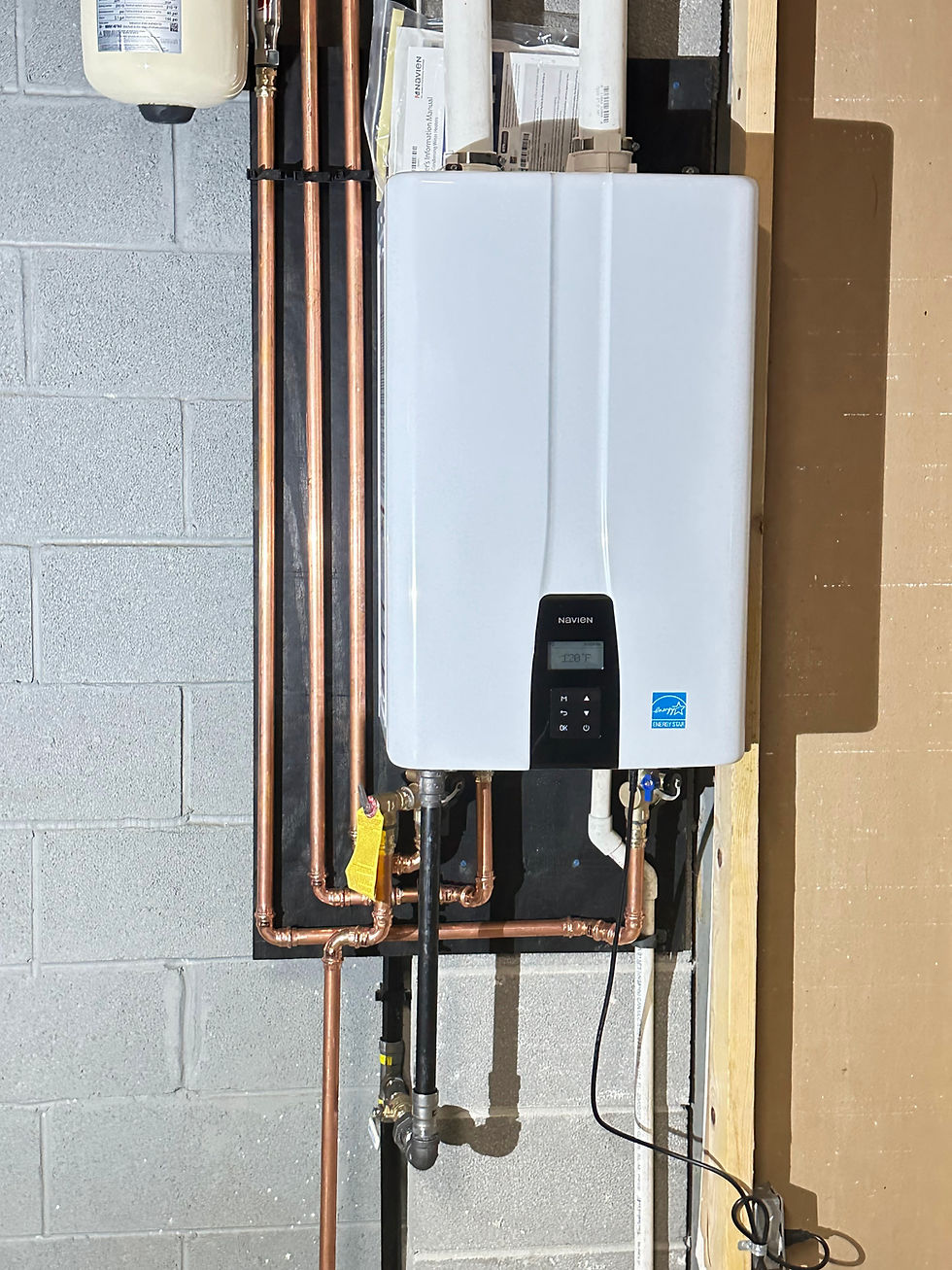
Installing a new water heater is a smart time to inspect the entire water connection. The heater may be new, but the surrounding shutoff valve, connectors, venting or electrical components, safety valve discharge piping, water pressure, and expansion control can all affect its long-term performance.
This is true whether the home uses a conventional gas or electric tank water heater, a power-vent model, or another high-efficiency option. The expansion issue relates to heated water and a closed plumbing system, not simply to the fuel source. Tankless water heaters can also be affected by system pressure and may require an evaluation based on the home’s layout and equipment.
Water quality can add another layer. Hard water, common in parts of Northeast Ohio, can leave mineral buildup on valves and water-heater components. That does not create thermal expansion, but it can make pressure-related leaks and maintenance issues harder to sort out. An experienced water-heating professional can look at the complete picture instead of treating every drip as the same problem.
Can an Expansion Tank Fail?
Yes. The internal bladder can wear out, the air charge can be lost, or corrosion can damage the tank over time. A failed tank may look normal from the outside while no longer accepting expanding water. In some cases, tapping the tank, checking its air valve, and testing system pressure can help identify a problem, but proper diagnosis is safer than guessing.
Do not attempt to add air pressure to a tank while it is still connected to active water pressure unless you understand the required procedure. The water side must be isolated and depressurized before an accurate precharge adjustment can be made. If the bladder has failed, adding air will not restore the tank.
A professional installation should also make future service practical. The tank should be accessible for inspection and supported securely, not hidden where a small leak can cause damage before anyone sees it.
Get a Straight Answer About Your Plumbing Pressure
If you are replacing a water heater, seeing discharge from the relief valve, or wondering whether your home has a closed plumbing system, ask for a pressure evaluation. Makeithot Water Heaters LLC can inspect the water heater and related plumbing components, explain what the readings mean, and recommend a repair or expansion tank installation only when it serves the system.
Pressure problems are easier and less expensive to address before they damage a valve, connector, or appliance. A clear diagnosis gives you the confidence to make the right repair and keep dependable hot water where it belongs - in your home, not on the floor below the water heater.

Comments