


How Hard Water Affects Water Heaters at Home
Updated: Sep 12
A water heater can look perfectly normal from the outside while minerals are building up inside the tank, on the heating elements, or through the heat exchanger. That is how hard water affects water heaters: it turns ordinary mineral content in your water into scale that reduces efficiency, shortens equipment life, and can eventually leave your household without reliable hot water.
For many Northeast Ohio homeowners, hard water is part of daily life, particularly on private wells but also in some municipal water supplies. The good news is that hard water problems are manageable when they are identified early and matched with the right maintenance or water-treatment solution.
What Hard Water Does Inside a Water Heater
Hard water contains dissolved minerals, mainly calcium and magnesium. Cold water can carry those minerals without much visible evidence. Once the water is heated, however, the minerals can separate from the water and form a chalky, rock-like deposit called scale.
In a conventional tank water heater, scale settles at the bottom of the tank. With electric models, it can coat the heating elements. In tankless water heaters, it can collect inside the narrow water passages of the heat exchanger. The equipment still has to transfer heat through that mineral layer, which is far less efficient than heating clean water directly.
A small amount of sediment is not always an emergency. The concern is accumulation over time. It depends on the hardness level, how much hot water your family uses, the water-heater temperature, and whether the unit receives regular maintenance. A large household with very hard well water will generally see scale buildup faster than a one- or two-person household with moderately hard city water.
How Hard Water Affects Water Heaters Over Time
It Makes the Unit Work Harder
Scale acts as insulation. In a gas tank heater, sediment at the bottom creates a barrier between the burner flame and the water above it. The heater must run longer to deliver the same amount of hot water. In an electric unit, mineral-coated elements transfer heat poorly and may overheat.
That extra run time can show up as higher energy use. It can also create uneven heating, slower recovery after showers, and a feeling that the system no longer keeps up with normal household demand.
It Can Cause Popping or Rumbling Sounds
A popping, crackling, or rumbling tank is one of the more recognizable signs of sediment buildup. Water gets trapped beneath the mineral layer at the bottom of the tank, then turns to steam and escapes through the deposits. The sound can be unsettling, but it is often the heater telling you there is sediment inside.
Noise alone does not automatically mean replacement is required. A professional inspection can determine whether flushing may help, whether another repair is appropriate, or whether the buildup and age of the unit make replacement the more sensible investment.
It Can Shorten Tank and Element Life
Sediment holds heat against the bottom of a tank, which can stress the metal over time. It may contribute to damaged components and can accelerate wear inside an older heater. On electric water heaters, heavily scaled elements may burn out or lose their ability to heat effectively.
Hard water is not the only reason a water heater fails. Tank age, water pressure, installation quality, anode-rod condition, and maintenance history matter too. Still, mineral scale is a common and preventable contributor to premature trouble.
It Reduces Performance in Tankless Water Heaters
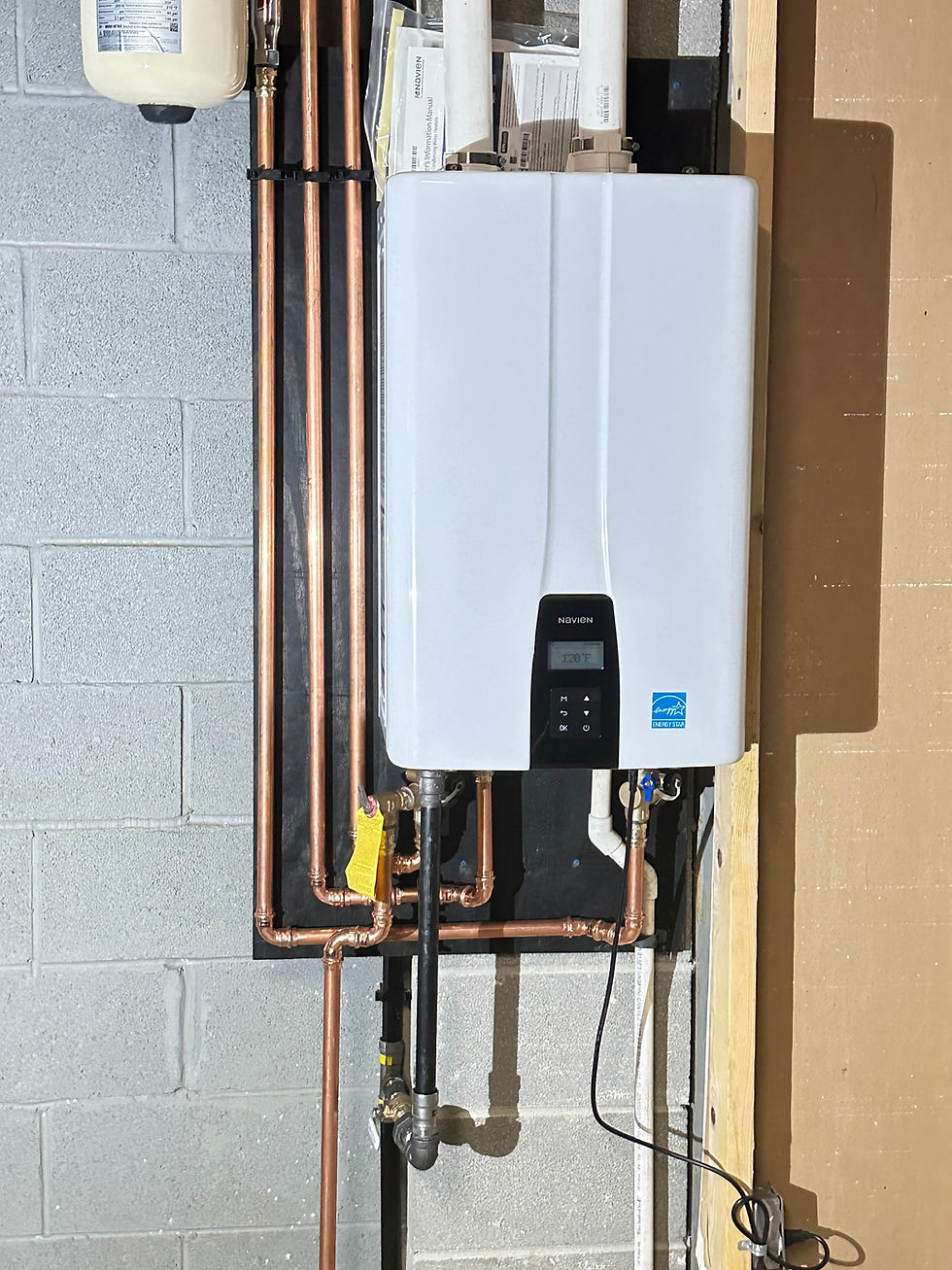
Tankless water heaters are efficient and provide hot water on demand, but their compact heat exchangers need clean internal water flow. Hard water can restrict those passages with scale, reducing flow and heat transfer. A tankless unit may deliver inconsistent temperatures, produce an error code, or shut down to protect itself when buildup becomes significant.
This does not mean tankless equipment is a poor choice for hard-water homes. It means maintenance is not optional. Regular descaling at an interval appropriate for your water conditions helps protect the heat exchanger and keep the unit operating as intended.
It Can Make Flushing Less Effective if You Wait Too Long
Flushing a tank water heater helps remove loose sediment. But hardened scale is different. Once mineral deposits have baked onto the bottom of a tank or tightly coated a component, a simple drain-and-flush may not remove it completely.
That is why it pays to address the issue before the heater is noisy, inefficient, or near failure. A maintenance visit is usually more predictable and less stressful than waiting for a cold shower and an urgent replacement decision.
Warning Signs of Hard Water in Your Hot Water System
Hard-water buildup is often gradual, so homeowners may not notice it until the performance change becomes obvious. Watch for slower hot-water recovery, popping or rumbling from a tank, reduced hot-water flow, inconsistent water temperatures, or a noticeable increase in energy costs without another clear explanation.
Around the home, white crust on faucets, showerheads, glass shower doors, and appliances can support the case for hard water. On well water, you may also have iron, sulfur odor, sediment, or other water-quality concerns that call for a more complete treatment approach.
A leaking water heater, rusty water, gas odor, repeated tripping of an electric breaker, or a relief valve that is discharging water requires prompt professional attention. Those issues are not problems to diagnose by guessing or repeatedly resetting the equipment.
Protecting a Water Heater From Hard-Water Damage
The right solution starts with understanding your water and your equipment. A qualified technician can inspect the heater, look for signs of scale, assess the condition of key components, and recommend a realistic maintenance schedule. For some homes, periodic flushing and anode-rod checks may be enough. For others, especially homes with very hard well water, water treatment is the better long-term answer.
A properly selected water softener reduces the calcium and magnesium that form scale. This can help protect not only the water heater but also fixtures, dishwashers, washing machines, and plumbing lines. A softener is not a cure for an already leaking or severely damaged heater, but it can reduce future mineral buildup after a repair or replacement.
Not every home needs the same system. Water hardness, iron content, household size, plumbing configuration, and whether the home is supplied by a well or municipal water all affect the recommendation. Testing the water and sizing treatment equipment correctly matters more than installing a generic solution.
For tankless units, follow the manufacturer’s maintenance requirements and do not assume an error-free unit is scale-free. For conventional tank heaters, ask whether flushing is appropriate for the age and condition of the tank. In a very old unit that has never been serviced, disturbing heavy sediment can occasionally reveal existing problems. An honest technician should explain that trade-off clearly rather than promise that a flush will make every older heater like new.
When Repair, Maintenance, or Replacement Makes Sense
If your heater is still within a reasonable age range, heats consistently, and has no leak, maintenance or a targeted repair may restore performance. Replacing a damaged heating element, addressing sediment concerns, or servicing a tankless heat exchanger can often be worthwhile.
Replacement becomes more practical when there is a tank leak, repeated failures, major corrosion, poor recovery despite repairs, or a unit nearing the end of its expected service life. A replacement is also a good time to consider whether your current equipment matches your household. A larger conventional tank, a power-vent model, a hybrid heat-pump water heater, or a properly sized tankless system may make sense depending on available fuel, venting, space, and hot-water demand.
Makeithot Water Heaters LLC helps homeowners evaluate both sides of the problem: the water heater itself and the water quality feeding it. That means you can get a straightforward recommendation on repair, replacement, flushing, or water treatment without being pushed toward a one-size-fits-all answer.
A Practical Next Step for Northeast Ohio Homeowners
If your water heater is noisy, slow, inconsistent, or showing visible hard-water signs elsewhere in the home, schedule an inspection before the problem becomes a no-hot-water emergency. Have your water hardness checked, ask about the condition of the heater, and get clear answers about the expected value of maintenance versus replacement.
Reliable hot water should not depend on hoping sediment stays manageable. A timely inspection and the right treatment plan can protect the equipment you already own and help the next water heater serve your home better for years to come.

Comments