


Why Is My Water Heater Sweating So Much?
A wet floor around a water heater gets attention fast, especially when the tank is in a finished basement or utility room. Water heater sweating is often normal condensation, but it can look almost identical to a small leak at first. The difference matters: one may clear up as the tank warms, while the other can damage flooring, corrode equipment, and leave you without reliable hot water.
The first step is not to assume the tank has failed. Dry the outside of the unit and the nearby piping, then watch where the moisture returns. A clear answer is usually easier to find once you separate condensation from water coming through a valve, fitting, or the tank itself.
What water heater sweating usually means
Sweating happens when humid air touches a surface that is colder than the surrounding air. Think of a cold glass of water on a summer day. A water heater can do the same thing after cold water enters the tank, particularly in a damp Northeast Ohio basement during warm weather.
This is most common with conventional tank-style water heaters. After several showers, a load of laundry, or other heavy hot-water use, the tank refills with cold incoming water. If the basement air is warm and humid, moisture can collect on the outside of the cooler tank before the burner or heating elements bring the water back to temperature.
Normal condensation usually appears as fine, clear droplets spread across the tank's outer jacket. It tends to be temporary and may be more noticeable near the bottom of the tank. Once the water heater has had time to recover, the moisture should lessen or disappear.
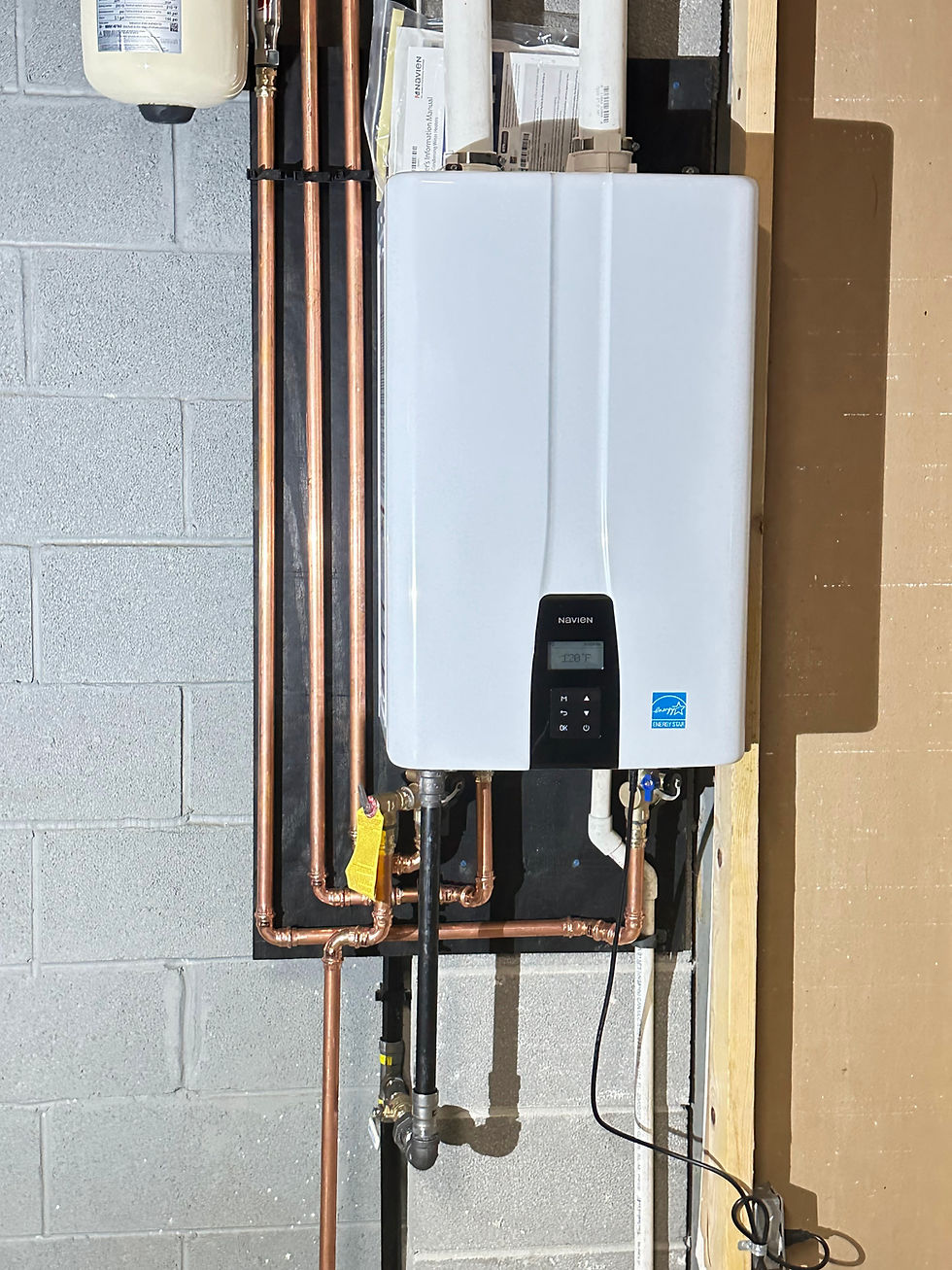
A power-vent, electric, hybrid heat-pump, or tankless unit can also have moisture around it, but the source may be different. Hybrid heat-pump water heaters, for example, create condensate as part of normal operation and should have an appropriate condensate drain setup. That is not the same as a tank sweating.
How to tell condensation from a water heater leak
Condensation does not usually form a steady stream, a single wet trail, or a puddle that keeps growing after the tank has been dry for a while. A leak often does.
Start by wiping the tank, pipes, and fittings completely dry with a towel. Check again after 15 to 30 minutes, then after the unit has run. If moisture returns evenly over a broad section of the exterior, condensation is likely. If water begins at one specific point, follow that point upward before deciding the tank is the problem. Water can travel along a pipe or fitting and drip somewhere else.
Pay close attention to the cold-water inlet and hot-water outlet connections on top of the tank. A loose fitting, aging connector, or corroded pipe joint can create a slow drip that runs down the side of the heater. Also inspect the temperature-and-pressure relief valve and its discharge pipe. Water from that pipe should never be ignored. It can point to excessive pressure, overheating, a failing relief valve, or a missing or undersized thermal expansion solution.
Other common leak locations include the drain valve near the bottom of the tank and the area around the burner compartment on a gas model. If water is coming from underneath the tank itself, or if the metal base is rusted, the inner tank may be failing. Unfortunately, a leaking tank body is not a repairable condition. Replacement is normally the honest recommendation.
A few clues that point to a real leak
Water that is warm, rusty, mineral-stained, or consistently present on a dry day deserves prompt attention. So does a tank that continues to wet the floor long after hot-water demand has stopped.
Look for white or green buildup around fittings, rust streaks down the jacket, swelling at the base, or a small but constant drip from the relief-valve pipe. These signs do not always mean the entire water heater needs replacement, but they do mean a qualified technician should diagnose the source before a minor problem becomes a flooded utility room.
Why a water heater sweats more in some homes
Basement humidity is often the main factor. Older homes, basements with limited air movement, and spaces where laundry is done can hold plenty of moisture. Cold groundwater can make the effect more pronounced, especially for homes on private wells. A large draw of hot water followed by a cold refill gives condensation the right conditions to form.
Poor insulation around nearby cold-water piping can add to the confusion. Pipes may sweat and drip onto the water heater, making it seem like the tank is leaking. A moisture issue in the basement, such as humid outdoor air entering through an open window, can have the same effect.
Hard water does not directly cause exterior condensation. It can, however, contribute to sediment buildup and shorten the working life of valves and water-heater components over time. For homes with hard city water or well water, the condition of the water supply is worth considering as part of the larger picture. Water treatment and a properly matched water heater can protect performance, but treatment will not fix a leaking tank.
What you can do when the tank is sweating
If you have confirmed that the moisture is condensation, focus on reducing humidity and improving the area around the equipment. A properly sized dehumidifier can make a meaningful difference in a damp basement. Keeping the room reasonably ventilated and repairing moisture entry points can also reduce recurring condensation.
Make sure nothing is stored tightly against the water heater. The unit needs clearance for service, and gas models require proper combustion air. Do not cover vents, block access panels, or wrap a gas water heater in an insulation blanket unless the manufacturer specifically permits it and the installation instructions are followed. An incorrect blanket or blocked air opening can create a safety issue rather than solve a moisture issue.
It also helps to observe the timing. If the tank sweats only after a period of heavy use and then dries, that supports the condensation diagnosis. If it sweats constantly, even when no one has used hot water, inspect for plumbing leaks above the unit and consider having the system checked.
When to call for water heater service
Call for service when you cannot identify the source of water, when moisture is coming from a fitting or valve, or when the floor puddle keeps returning. A professional diagnosis can determine whether the repair is as simple as a connection or valve, whether water pressure is involved, or whether the tank has reached the end of its service life.
If an electric water heater is leaking near electrical components, turn off power at the breaker if it is safe to do so and avoid standing in water. For a gas water heater, leave the area and contact the gas utility or emergency services immediately if you smell gas. Do not attempt to relight or adjust a gas appliance when there is a suspected gas issue.
For an active water leak, shut off the cold-water supply valve above the heater if you can do it safely. Then arrange service. A licensed, insured water-heater specialist can inspect conventional, power-vent, electric, tankless, and hybrid equipment, explain the findings in plain language, and offer an honest repair-or-replace recommendation without pressure.
Makeithot Water Heaters LLC can help homeowners across Northeast Ohio determine whether a wet tank is harmless condensation, a plumbing repair, or a replacement decision. If you are uncertain, taking a few photos of the wet area before it is dried can also help speed up the diagnosis when you call or text.
A sweating water heater may be nothing more than humid air meeting cold water, but water that keeps returning from one spot is your cue to act. Catching the cause early protects the equipment, your home, and your peace of mind.

Comments