


How to Detect Hidden Plumbing Leaks at Home
A hidden leak rarely announces itself with a dramatic burst pipe. More often, it starts as a water bill that seems a little high, a warm patch on the floor, or a water heater that runs more often than it should. Knowing how to detect hidden plumbing leaks early can protect your home from damaged finishes, mold growth, wasted water, and an expensive repair that could have been much smaller.
For Northeast Ohio homeowners, seasonal temperature swings, older plumbing materials, well-water mineral buildup, and changes in water pressure can all contribute to plumbing leaks that develop out of sight. You do not need to open walls or tear up flooring to spot every problem, but a few careful checks can tell you when it is time to bring in a licensed plumber.
Start With Your Water Meter
Your water meter is one of the most useful tools for finding a leak on the water-supply side of your home. This test works best when no one will need water for at least 30 minutes, although a longer test gives a clearer result.
First, turn off water use inside and outside the home. Do not run the dishwasher or washing machine, take a shower, use an ice maker, or let a toilet refill during the test. Then find the meter, record the reading, and look for a small leak indicator. Depending on the meter, it may be a spinning triangle, star, or small dial that moves when water is flowing.
If the leak indicator moves while every fixture is off, water is being used somewhere. If your meter does not have an indicator, take a photo of the reading, wait 30 to 60 minutes without using water, and check it again. A changed reading points to a possible leak.
This test does not identify the leak location. It simply confirms that water is moving through the system when it should not be. Toilets are a common cause, so rule them out before assuming the pipework behind a wall is failing.
Rule Out a Quietly Leaking Toilet
A leaking toilet can waste a surprising amount of water without creating a puddle. Remove the tank lid and listen for a faint refill sound. You can also add a few drops of food coloring to the tank, wait 15 to 20 minutes without flushing, and check the bowl. Color appearing in the bowl means the flapper or fill valve may be allowing water through.
If the meter stops showing movement after you shut off the toilet’s supply valve, you may have found the issue. That is welcome news compared with a concealed pipe leak, but it still deserves repair. Constant refilling adds cost and puts unnecessary wear on the toilet components.
Watch for the Warning Signs of a Hidden Plumbing Leak
Water does not always appear where the pipe is leaking. It can travel along framing, settle beneath flooring, or show up in a lower-level ceiling far from the source. That is why patterns matter.
Pay attention to a sudden increase in your water bill when household habits have not changed. Also look for peeling paint, bubbling drywall, a musty odor, warped flooring, unexplained staining, or soft areas around baseboards. A small stain that grows after someone showers, runs the dishwasher, or uses an upstairs bathroom deserves prompt attention.
Other clues are more subtle. A hot-water pipe leak may make a section of tile, slab floor, or wall feel unusually warm. You might hear a faint hiss, ticking, or water movement in a quiet house. A cold-water leak can create cool, damp spots or persistent condensation that does not match the rest of the room.
Do not assume every stain is an active plumbing problem. Roof leaks, window leaks, humid basements, and condensation can produce similar symptoms. The meter test, the timing of the moisture, and a professional inspection help separate one cause from another.
Check the Water Heater Area Carefully
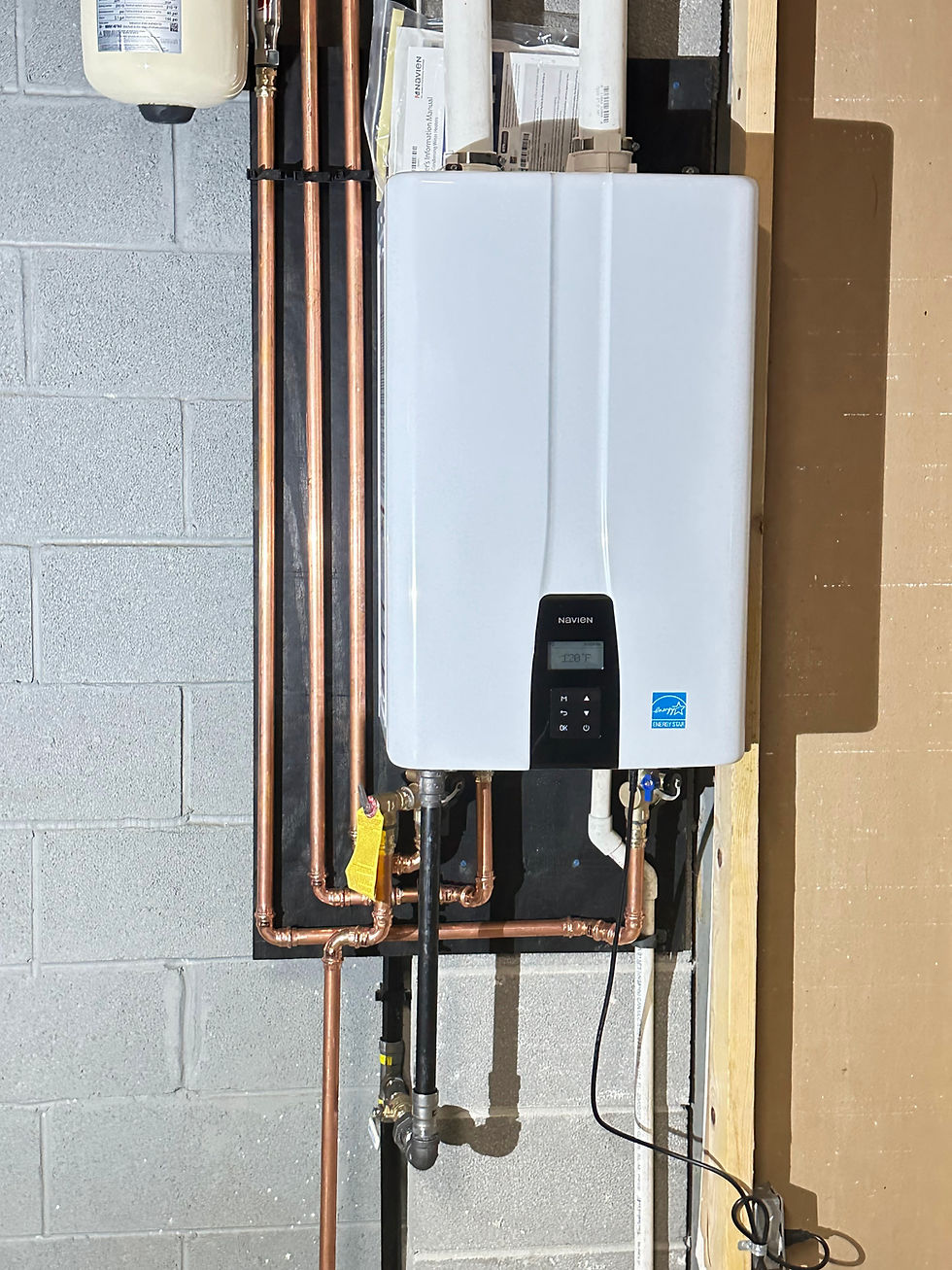
Because the water heater connects to several water lines, it is a sensible place to inspect when you suspect a leak. Look at the connections above the unit, the shutoff valve, the temperature and pressure relief valve discharge pipe, and the area around the base. Use a dry paper towel to check fittings for fresh moisture.
A puddle near a water heater does not always mean the tank itself has failed. It could come from a loose connection, a relief valve responding to excessive pressure, condensation, or a nearby pipe. On the other hand, rust-colored water, moisture collecting under the tank, or repeated valve discharge should not be ignored.
If water is coming from the relief valve, do not cap or plug the discharge pipe. That valve is a safety device. The cause could involve water pressure, thermal expansion, a failing valve, or water-heater operation. A licensed professional can test the system and recommend the right repair rather than replacing parts by guesswork.
Use Your Shutoff Valves to Narrow Down the Problem
If your meter indicates a leak but toilets and visible fixtures appear normal, shutoff valves can provide useful clues. Start by closing the main water valve to the home. If the meter stops moving, the leak is likely on the home’s plumbing system after the meter. If it continues to move, contact your water utility, since the issue may involve the meter or service line arrangement.
For homes with separate shutoffs to water heaters, outside faucets, or individual fixtures, a plumber can isolate sections of the system more precisely. This is especially valuable in older homes where plumbing may have been altered over several decades.
Avoid repeatedly turning old valves on and off if they are stiff, corroded, or already dripping. A valve that has not moved in years can begin leaking when disturbed. It is better to know where the main shutoff is and make sure it is accessible before an emergency happens.
Know When a Leak Needs Professional Detection
Home checks are useful, but they have limits. A leak beneath a slab, behind a finished wall, above a ceiling, or underground may require specialized detection methods. A licensed plumber may use pressure testing, moisture measurement, thermal imaging, acoustic equipment, or targeted access to locate the issue while minimizing unnecessary damage.
Call for professional help promptly when you have meter movement with no obvious source, a growing water stain, flooring that is buckling, a musty smell that persists, or a water heater area that continues to get wet. You should also call if you need to shut off the main water supply to stop active water loss.
The right repair depends on where the leak is and why it happened. A pinhole leak in aging pipe may be an isolated repair, while repeated leaks can justify discussing a larger section replacement. Hard or corrosive water can also affect plumbing and water-heater components over time, particularly for households on private wells. An honest diagnosis should explain the condition of the system, the immediate repair, and whether there is a practical preventive step worth considering.
Reduce the Chance of Future Leaks
Not every leak can be prevented, but routine attention makes a difference. Check exposed plumbing under sinks and around the water heater a few times each year. Watch your monthly water usage for changes. Keep stored items away from the water heater and main shutoff so you can inspect and access them quickly.
If your home has high water pressure, thermal expansion concerns, hard water, or a history of plumbing repairs, address those conditions rather than treating each new leak as unrelated. Makeithot Water Heaters LLC can evaluate water-heater connections, pressure-related components, and water-quality concerns with clear recommendations and no high-pressure sales approach.
A small leak is not a reason to panic, but it is a reason to act. Catching unusual meter activity or early moisture now gives you more choices, less disruption, and a better chance of keeping a minor plumbing repair from becoming a major home project.

Comments