


Water Treatment That Protects Your Ohio Home
A white crust on faucets, orange staining in the tub, a sulfur smell when the shower starts, or water that leaves your skin feeling tight are not just annoyances. They are clues. The right water treatment can protect your plumbing, help water-using appliances run better, and make everyday water feel more dependable. The key is identifying what is actually in your water before choosing equipment.
For Northeast Ohio homeowners, that answer can vary dramatically from one street to the next. A home on municipal water may mainly struggle with hardness or chlorine taste. A home on a private well may need to address iron, manganese, sulfur odor, sediment, bacteria, or a combination of issues. A system that works beautifully for one house can be a poor fit for another.
Start Water Treatment With the Water You Have
Water treatment should solve a measured problem, not a sales problem. Before installing a softener, filter, or conditioner, a qualified professional should ask about your water source, test results, plumbing, household size, and the symptoms you notice around the home.
Hardness is one of the most common findings in this area. Hard water contains dissolved calcium and magnesium. It can form scale inside water heaters, fixtures, dishwashers, washing machines, and pipes. It also makes soap harder to rinse, which is why laundry can feel stiff and glassware may come out spotted.
Iron often announces itself through orange, red, or brown stains in toilets, sinks, and laundry. Manganese can create darker brown or black staining. Hydrogen sulfide gas is usually responsible for the familiar rotten-egg odor. Sediment can clog faucet aerators, reduce flow, and wear on valves and appliances. City-water customers may be more concerned with chlorine taste or odor, while some well-water homes need more involved treatment because their source water changes over time.
A good test does more than confirm that a nuisance exists. It helps determine its type and severity. Iron, for example, may be clear-water iron, oxidized iron, bacterial iron, or mixed with sulfur and manganese. Those situations do not always call for the same equipment. Treating the wrong issue first can leave you with an expensive system and the same complaints.
Softening Is Not the Same as Filtering
Homeowners often use “filter” to describe any equipment installed near the water line, but water treatment systems perform different jobs. Knowing the distinction helps you make a better decision.
A water softener is designed to reduce hardness minerals through ion exchange. It is often the best first step where scale, dry skin, soap scum, and shortened water-heater life are major concerns. Properly sized softeners use salt and require periodic maintenance, including keeping the brine tank supplied. For many homes, that trade-off is worthwhile because soft water helps preserve fixtures and equipment throughout the house.
A sediment filter catches physical particles such as sand, rust, or silt. It can be useful as prefiltration, especially on private wells, but it will not remove hardness or dissolved iron. Carbon filtration is commonly used to improve chlorine taste and odor and may reduce certain organic compounds. It is a practical choice for many municipal-water homes, though cartridge changes matter. An overdue filter can restrict water flow and stop performing as intended.
Iron and sulfur treatment may require specialized filtration, oxidation, aeration, or chemical-free media systems depending on the water chemistry. Some homes need a softener after iron removal, while others can use a properly selected combination system. Reverse osmosis is typically a point-of-use option for drinking water at a kitchen sink, not a replacement for whole-house treatment.
The right arrangement depends on the problem. There is no honest one-box answer for every well or every city-water supply.
Why Your Water Heater Has a Stake in Water Quality
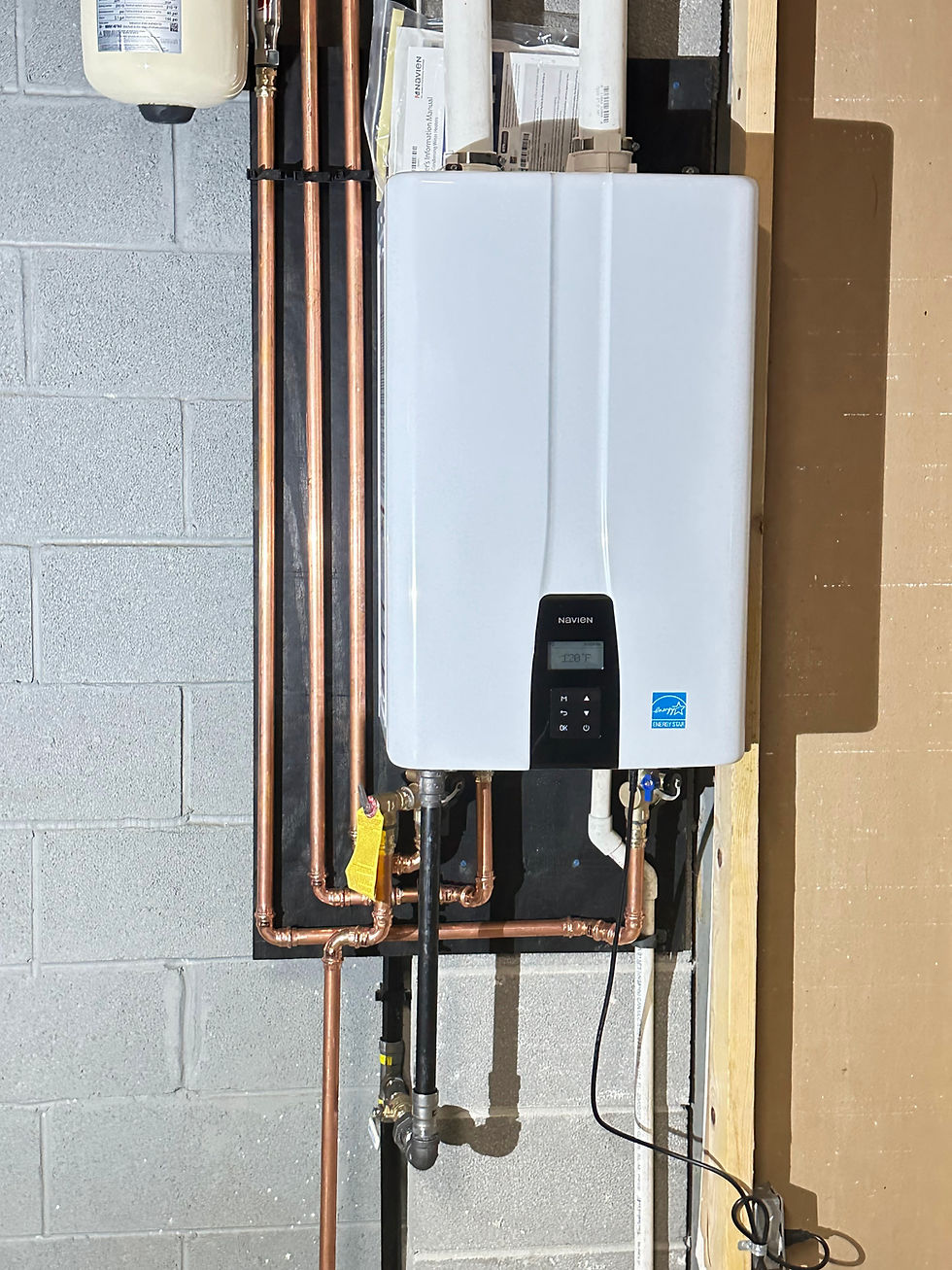
Hard water is especially hard on water heaters. As water is heated, hardness minerals can separate and settle as scale. In a conventional tank water heater, sediment can collect near the bottom. In a tankless unit, scale can build inside the heat exchanger, where water moves through narrow passages and heating is intense.
That buildup can lead to popping or rumbling sounds, slower hot-water recovery, reduced efficiency, inconsistent temperature, and earlier component failure. It can also make routine maintenance more important. A flush may remove loose sediment, but it cannot always undo years of hardened scale.
This does not mean every homeowner needs a softener solely because they own a water heater. Water hardness, household usage, equipment type, and maintenance history all matter. But if a water heater is failing prematurely or losing performance in a hard-water home, treating the water should be part of the conversation. Replacing the heater without addressing the cause can put new equipment on the same path.
A whole-home approach is especially useful when you are planning a tankless upgrade, hybrid heat-pump water heater, or high-efficiency conventional tank. Better water quality helps those systems deliver the performance you expect, while appropriate maintenance protects the investment.
Signs Your Home May Need Treatment
Some concerns are obvious, but others appear slowly. Pay attention when you see recurring stains, scale around showerheads, cloudy glassware, dry or itchy skin after bathing, reduced water flow at fixtures, or frequent appliance issues. A sudden change in taste, smell, color, or clarity deserves prompt attention, particularly for homes supplied by a private well.
With well water, seasonality can matter. Heavy rain, drought, nearby construction, changes to a well pump, or shifts in groundwater can affect water conditions. If your water was tested years ago, do not assume the results still describe what is coming from the tap now.
For a city-water home, municipal treatment provides broad public-health protections, but it does not eliminate every household concern. Water can pick up taste, odor, or particles as it travels through distribution lines or a home’s own plumbing. Old pipes, a water heater with heavy sediment, and high water pressure can also create issues that look like a treatment problem but need a plumbing diagnosis instead.
That is why an honest recommendation may sometimes be no new system at all. If the cause is a deteriorated anode rod, a clogged aerator, pipe corrosion, or a failing pressure-control component, treating the incoming water will not fix it.
Choosing Equipment That Fits the Household
Sizing is as important as selecting the equipment itself. A system must keep up with peak demand without wasting water, salt, or energy. Household size, bathroom count, fixture use, incoming water pressure, hardness level, and well yield all affect the design.
For example, a softener that is too small may regenerate too often and allow hard water through during busy periods. One that is oversized can cost more upfront and may not operate as efficiently as a correctly sized model. Likewise, an iron filter needs the proper flow rate and backwash capacity. A well system must be able to provide enough water for that backwash cycle without creating pressure or supply problems.
Installation details matter, too. Treatment equipment may need a drain connection, electrical outlet, bypass valve, shutoff access, and a location protected from freezing. Homes with septic systems should have their overall water use considered before adding any equipment that regenerates or backwashes. These are not reasons to avoid treatment. They are reasons to have it planned properly.
Professional-grade Water Right systems can be configured for a range of well-water and municipal-water needs, but the equipment should follow the test and the home, not the other way around. At Makeithot Water Heaters LLC, we look at water quality alongside the plumbing and water-heating equipment it affects, so homeowners get a practical recommendation rather than pressure to buy more than they need.
Plan for Maintenance From Day One
No treatment system is truly maintenance-free. Salt-based softeners need salt. Cartridge filters need replacements. Certain media systems need periodic service, cleaning, or adjustments. Well-water equipment may need retesting when staining, odors, or water conditions change.
The good news is that routine care is generally far easier and less costly than dealing with scale-clogged fixtures, stained laundry, or premature water-heater trouble. Ask before installation what the expected maintenance schedule is, what supplies are needed, and which signs mean it is time to call for service. Clear answers now prevent surprises later.
If your water leaves marks on everything it touches, makes hot water equipment work harder, or simply does not feel right, start with a test and a straightforward conversation. The best next step is not the most complicated system. It is the one that addresses your home’s real water conditions and keeps working when your family needs it.

Comments