

Are Water Softeners Worth It in Northeast Ohio?
A shower door that turns cloudy again two days after cleaning, white crust around faucets, scratchy towels, and a water heater that seems to work harder every year all point to the same possible issue: hard water. Water softeners can make a noticeable difference in Northeast Ohio homes, but only when the system is matched to the actual water conditions and the household using it.
For homeowners on private wells, hardness may come with iron, manganese, sulfur odor, sediment, or bacteria concerns. City-water homes can have plenty of hardness too, even when the water is otherwise safe and clear. That is why the right starting point is a water test and an honest explanation of what the results mean - not a one-size-fits-all sales pitch.
What Hard Water Does to a Home
Hard water contains dissolved minerals, mainly calcium and magnesium. Those minerals are harmless in typical household concentrations, but they create scale when water is heated or evaporates. The result is the chalky buildup you see on glassware, faucets, coffee makers, and showerheads.
The less visible effects can be more expensive. Scale settles inside water heater tanks, coats electric elements, restricts fixtures, and can reduce the efficiency of tankless water heaters. It also makes soap harder to rinse, so homeowners often use more detergent, shampoo, and cleaning products than they need.
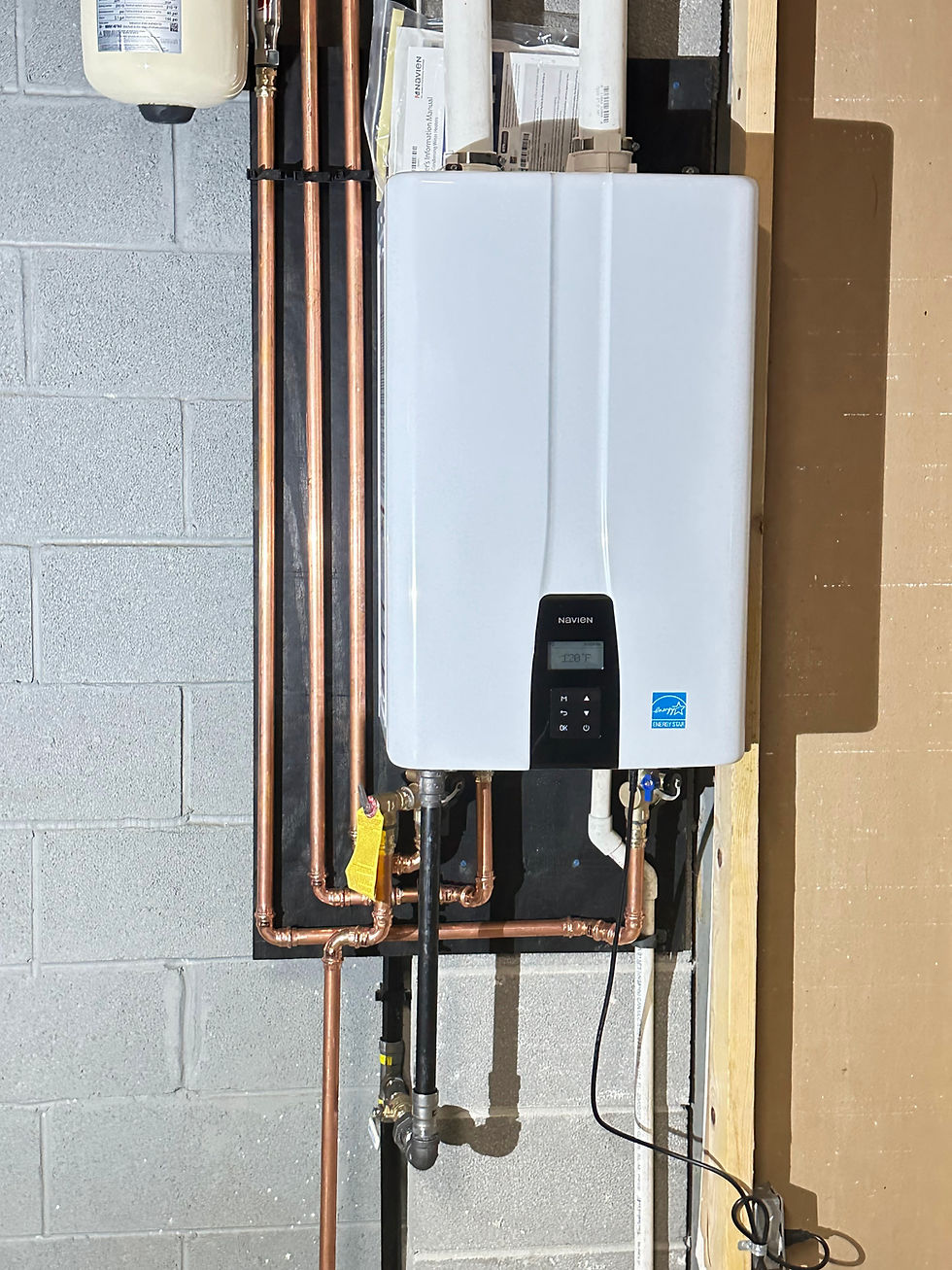
In a conventional tank water heater, sediment and mineral buildup can contribute to rumbling noises, slower recovery, and premature component wear. In a tankless unit, scale can narrow internal water passages and lead to service codes or reduced performance if regular flushing is ignored. A softener is not a substitute for water-heater maintenance, but it can reduce the mineral load that causes trouble in the first place.
How Water Softeners Actually Work
Most residential water softeners use ion exchange. Inside the mineral tank are small resin beads that attract hardness minerals. As hard water passes through the resin, calcium and magnesium are exchanged for a small amount of sodium or potassium.
Over time, the resin becomes full of hardness minerals and needs to regenerate. During regeneration, the system uses brine from a separate salt tank to clean the resin and send the captured minerals to the drain. Modern demand-initiated systems regenerate based on actual water use rather than simply running on a timer, which can reduce salt and water waste.
A properly installed softener is typically placed where it treats the home’s main water supply, while leaving certain lines untreated when appropriate. For example, an outdoor hose connection may be left on hard water so salt is not used for lawn watering. The plumbing layout, drain access, electrical outlet, water pressure, and local requirements all matter during installation.
Do You Need a Water Softener or a Different Treatment System?
A softener solves hardness. It does not solve every water-quality issue.
If your water has orange staining, metallic taste, black residue, rotten-egg odor, cloudiness, or visible sediment, a softener alone may not be the complete answer. Well water especially may need a combination of equipment, such as sediment filtration, iron reduction, oxidation, neutralization for acidic water, carbon filtration, or disinfection. Municipal water may benefit from chlorine or taste-and-odor filtration alongside softening.
This is where testing matters. A basic hardness number is useful, but it does not tell the whole story. Iron can foul softener resin. High manganese may require specialized treatment. Low pH can be hard on plumbing. Bacteria concerns require a different response altogether. Installing the wrong equipment first can mean paying twice.
Water Right treatment systems are designed for a range of well-water and municipal-water conditions, but the best configuration depends on what is actually in the water. A qualified installer should explain whether you need one piece of equipment or a coordinated treatment setup.
Choosing the Right Size for Your Household
Bigger is not automatically better. Softener capacity should be based on hardness, household size, daily water use, and other minerals in the water. An undersized unit can regenerate too often, use excess salt, and fail to keep up during busy periods. An oversized unit may cost more upfront and may not operate as efficiently as a properly selected demand-based model.
A household with two people on city water has different needs than a family of five on a well with high hardness and iron. A home with a large soaking tub, multiple shower heads, frequent laundry, or a tankless water heater may also have higher demand. The water test and a realistic discussion of household habits are more valuable than choosing a unit based only on the number of bathrooms.
Ask how the system is programmed, how often it is expected to regenerate, what salt it requires, and whether the installer will set it up based on your tested water conditions. Proper programming is part of the job, not an optional extra.
Salt, Maintenance, and Operating Costs
Most homeowners find softener upkeep straightforward. The main task is keeping the brine tank supplied with the recommended salt and checking periodically for salt bridging - a hardened crust that can form above the water level and prevent salt from dissolving properly.
Salt use varies widely based on water hardness, capacity, household consumption, and system settings. High-efficiency systems can use less salt and water than older timer-based equipment, but no salt-based softener is maintenance-free. Potassium chloride can be used in many systems for households that prefer to avoid sodium, though it usually costs more and may perform differently in very cold or highly hard-water conditions.
Resin does not last forever. Chlorine, iron, sediment, and poor water chemistry can shorten its life, which is another reason to treat the whole water condition rather than focusing on hardness alone. A professional service visit can identify issues such as a clogged injector, failed control valve, damaged resin, or a drain problem before they turn into poor water quality throughout the house.
Signs Your Existing Softener Needs Attention
A system that is using salt but no longer delivering soft water may need service rather than replacement. Watch for returning scale, stiff laundry, spotting on dishes, soap that will not lather, or a sudden increase in salt use. Water that feels slippery is not necessarily a problem - that is often simply soap rinsing away more completely without hardness minerals interfering.
Also pay attention to constant cycling, water around the unit, error messages, a brine tank that is unusually full of water, or a system that seems to regenerate at odd times. These symptoms can point to a control, valve, drain, or programming issue. Ignoring them can waste water and salt while leaving plumbing and water-heating equipment exposed to scale.
Protecting Your Water Heater Starts Upstream
A water softener is often one of the most practical upgrades for a home with persistent hard water, especially when you are installing a new water heater or tankless system. It can help preserve efficiency, reduce scale-related maintenance, and improve day-to-day cleaning and laundry results.
Still, it should be part of a complete plan. Your water heater may need flushing, an expansion tank may be necessary depending on the plumbing system, and well-water concerns may call for treatment beyond softening. The goal is dependable water throughout the house, not simply another appliance in the basement.
For Northeast Ohio homeowners who want clear answers, Makeithot Water Heaters LLC can evaluate your water conditions, plumbing setup, and water-heating equipment without high-pressure recommendations. A properly selected system should fit your home, protect the equipment you rely on, and give you one less household problem to keep scrubbing around.

Comments