


Common Gas Leak Warning Signs Homeowners See
A gas leak is not a repair you watch for a few days to see whether it gets better. The common gas leak warning signs homeowners notice - a sulfur-like odor, hissing near a pipe, unexplained symptoms, or dying vegetation - call for a calm but immediate response. Natural gas is useful and reliable when its piping and appliances are installed and maintained correctly. When something seems wrong, getting people out safely comes before troubleshooting the source.
For Northeast Ohio homes, possible gas issues may involve a water heater, furnace, range, fireplace, dryer, outdoor line, or the piping that serves them. Cold weather, aging connections, appliance work, corrosion, accidental damage, and improper alterations can all contribute to a problem. Here is what to recognize and what to do next.
Common Gas Leak Warning Signs at Home
Natural gas itself has no smell. Utility companies add an odorant, often described as rotten eggs, sulfur, or skunk-like, so people can detect a leak. That unmistakable odor is the sign most homeowners know, but it is not the only one.
A hissing or whistling sound near a gas appliance, meter, pipe, or connection can indicate gas escaping under pressure. A louder sound can mean a larger leak, but do not assume a faint sound is harmless. Small leaks can still create a dangerous situation inside an enclosed area.
You may also see physical evidence outdoors. Bubbling in standing water, dust or dirt blowing from an underground area, or a patch of dead or discolored grass near a gas line can be cause for concern. These signs do not prove a gas leak on their own, but they are worth treating seriously, especially when paired with an odor.
Inside, look for unexplained soot around a gas water heater, furnace, fireplace, or vent. Yellow or lazy flames on an appliance that normally burns blue can point to incomplete combustion or a burner issue. That does not automatically mean there is a leak in the fuel piping, but it does mean the appliance should be inspected by a qualified professional.
Headaches, dizziness, nausea, unusual fatigue, or confusion can have many causes, including illness and carbon monoxide exposure. Do not try to diagnose those symptoms while remaining in the house. If multiple people suddenly feel unwell, or symptoms improve when outside, leave the home and call for help from a safe location.
A gas odor may come and go
Intermittent odor is still an odor. Gas smells can seem stronger near a utility room, basement, crawl space, or cabinet because gas may collect in enclosed areas. Temperature changes and air movement can also carry the odor away temporarily. A smell that disappears after opening a window is not proof that the issue is resolved.
Some people have a reduced sense of smell, and certain medical conditions, medications, or a cold can make the odorant harder to notice. That is one reason a household should not rely on one person to decide whether a gas smell is real. When in doubt, treat it as a potential emergency.
What to Do If You Suspect a Gas Leak
If you smell gas or hear gas escaping, leave the building immediately. Take everyone with you, including pets, and move well away from the home. Do not stop to find the leak, open windows, collect belongings, or turn off appliances.
Avoid anything that could create a spark. Do not flip light switches, plug in or unplug electronics, use a garage-door opener, light a match, smoke, start a vehicle near the home, or use a phone while you are still inside or close to the suspected leak. Once you are a safe distance away, call 911 and your gas utility's emergency number. Follow their instructions before reentering.
Do not attempt to tighten a fitting, relight a pilot, or shut off a valve unless emergency personnel or your gas utility directs you to do so and it is safe. A homeowner can unintentionally worsen a leak or create an ignition source. The right next step depends on where the leak is located and whether the utility needs to secure the service first.
After the utility confirms the immediate hazard is controlled, a licensed gas professional can inspect the house-side piping and connected equipment. In many cases, the utility is responsible for its equipment and the service line up to a defined point, while the homeowner is responsible for the fuel line, fittings, and appliances beyond it. The exact division of responsibility can vary, so ask before authorizing work.
Water Heater Problems That Need a Gas Inspection
Because a gas water heater has a burner, gas valve, venting system, and supply connection, it deserves attention whenever it behaves unusually. A water heater that will not stay lit, produces soot, has a yellow flame, makes a roaring sound, or gives off an unusual odor should not be ignored.
A sulfur smell near a water heater is not always a gas leak. In some homes, especially those with well water, hydrogen sulfide in the water can create a rotten-egg smell at a faucet or when hot water runs. That is a water-quality issue, not necessarily a gas emergency. The difference matters: if the odor occurs only with water use and is strongest at the tap, water treatment may be part of the answer. If the smell is present around gas piping or the appliance even when no water is running, leave the area and treat it as a possible gas leak.
Venting issues are another concern. A gas water heater must send combustion gases safely outdoors. Damaged vent pipe, improper draft, backdrafting, or a blocked vent can introduce carbon monoxide into the home. Carbon monoxide has no smell, so odor alone cannot protect your family. Working carbon monoxide alarms on every level of the home and near sleeping areas are essential. They are not a substitute for proper installation, venting, and service.
Why DIY Leak Checks Have Limits
Homeowners sometimes hear that soap solution can reveal bubbles at an accessible connection. While that method can help a trained technician confirm a suspected leak under controlled conditions, it is not a complete safety inspection. It cannot evaluate hidden piping, appliance valves, combustion performance, venting, gas pressure, or every potential leak point.
Never use a flame to check for a leak. Avoid relying on a handheld consumer gas detector as a final answer, too. These tools can be useful for screening, but their readings depend on calibration, placement, airflow, and the type of gas present. A qualified technician uses appropriate testing methods, evaluates the full system, and identifies whether repair, replacement, pressure testing, or appliance adjustment is actually needed.
There is also a practical trade-off after a repair. Replacing one visibly corroded fitting may be reasonable if the rest of the system is sound. But if piping is old, improperly supported, repeatedly leaking, or altered through several past remodels, a larger correction may be safer and more cost-effective than a series of small patches. An honest inspection should explain that difference clearly rather than pushing replacement when a repair will do.
Preventing Gas-System Trouble Before It Becomes Urgent
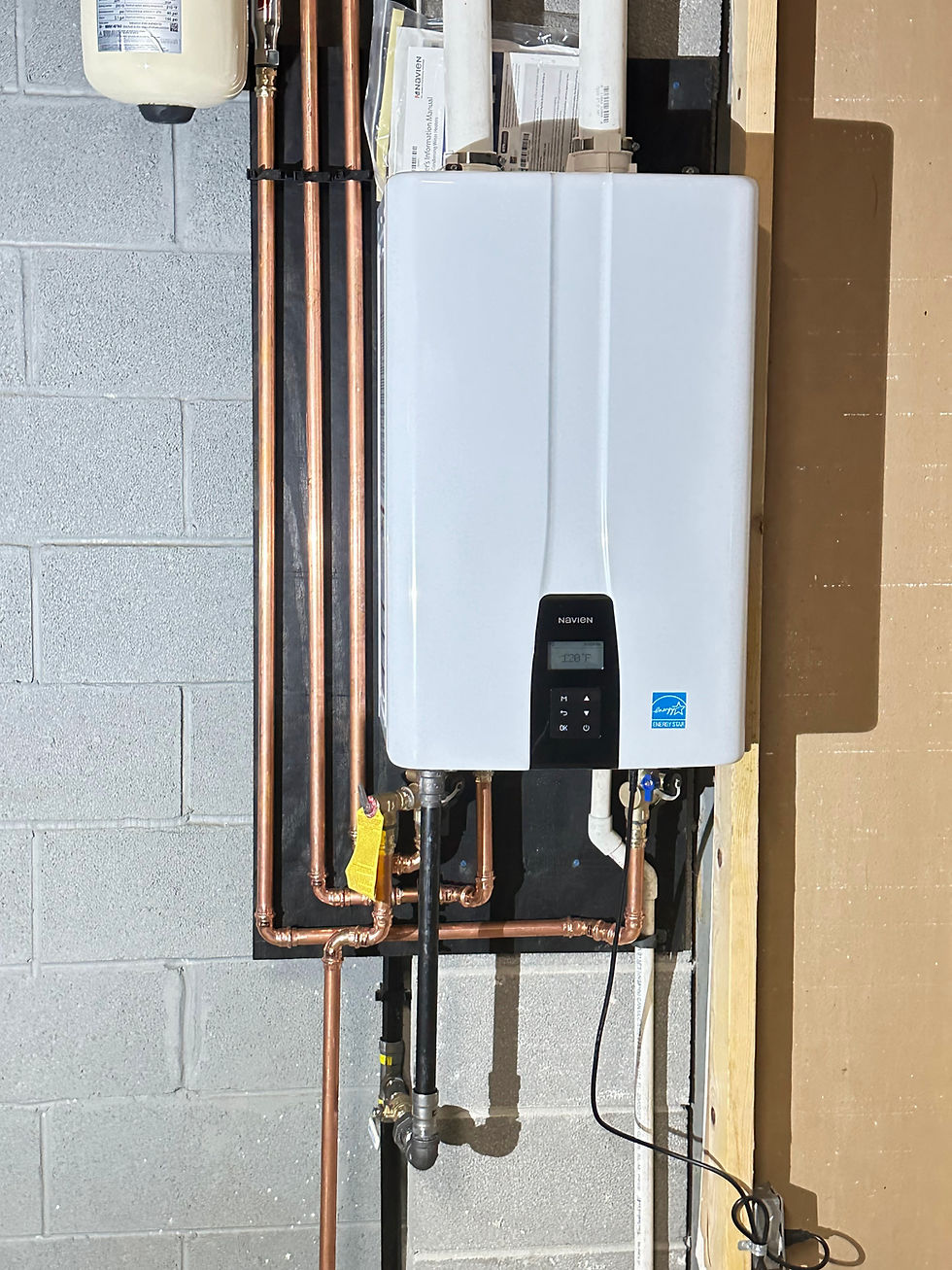
Gas piping and appliances need professional attention after a remodel, appliance replacement, flood event, impact damage, or long period of disuse. Have new gas appliances installed with correctly sized piping, proper shutoffs, sediment traps where required, and venting that matches the equipment. A high-efficiency tankless water heater, for example, has different gas-demand and venting requirements than a standard atmospheric tank water heater.
Keep the area around your water heater and furnace clear of storage, paint, gasoline, and other flammable products. Do not enclose equipment or block combustion-air openings without confirming the space is designed for it. If you are planning a water-heater upgrade, ask whether the existing gas line, venting, and shutoff arrangement are suitable for the new unit.
Makeithot Water Heaters LLC can inspect gas connections and water-heater-related gas-system concerns after the utility has addressed any active emergency. Licensed, insured service and a straightforward explanation of the findings can help you make a safe decision without pressure.
A gas concern may turn out to be a loose appliance connection, a venting problem, or even a water-quality odor. But the first response should always favor safety: get outside, call from a safe location, and let the right professionals determine what is happening.

Comments