


Water Heater Vent Pipe Guide for Homeowners
A water heater can be heating water normally while its venting system is creating a serious safety concern. For gas-fired equipment, the vent pipe carries combustion gases out of the home. If that path is damaged, disconnected, undersized, blocked, or installed incorrectly, those gases can spill back into the house instead. This water heater vent pipe guide explains what homeowners should recognize, what varies by water heater type, and when it is time to call a licensed professional.
Water Heater Vent Pipe Guide: What the Vent Does
Natural gas and propane water heaters burn fuel to create heat. That process produces exhaust gases, including carbon monoxide. The venting system is designed to move those gases safely outdoors while bringing in enough air for proper combustion.
A conventional atmospheric gas water heater typically sends warm exhaust upward through a draft hood and into a vertical metal vent. The warmth of the exhaust creates natural draft, which pulls combustion products up and out through a properly designed chimney or Type B gas vent.
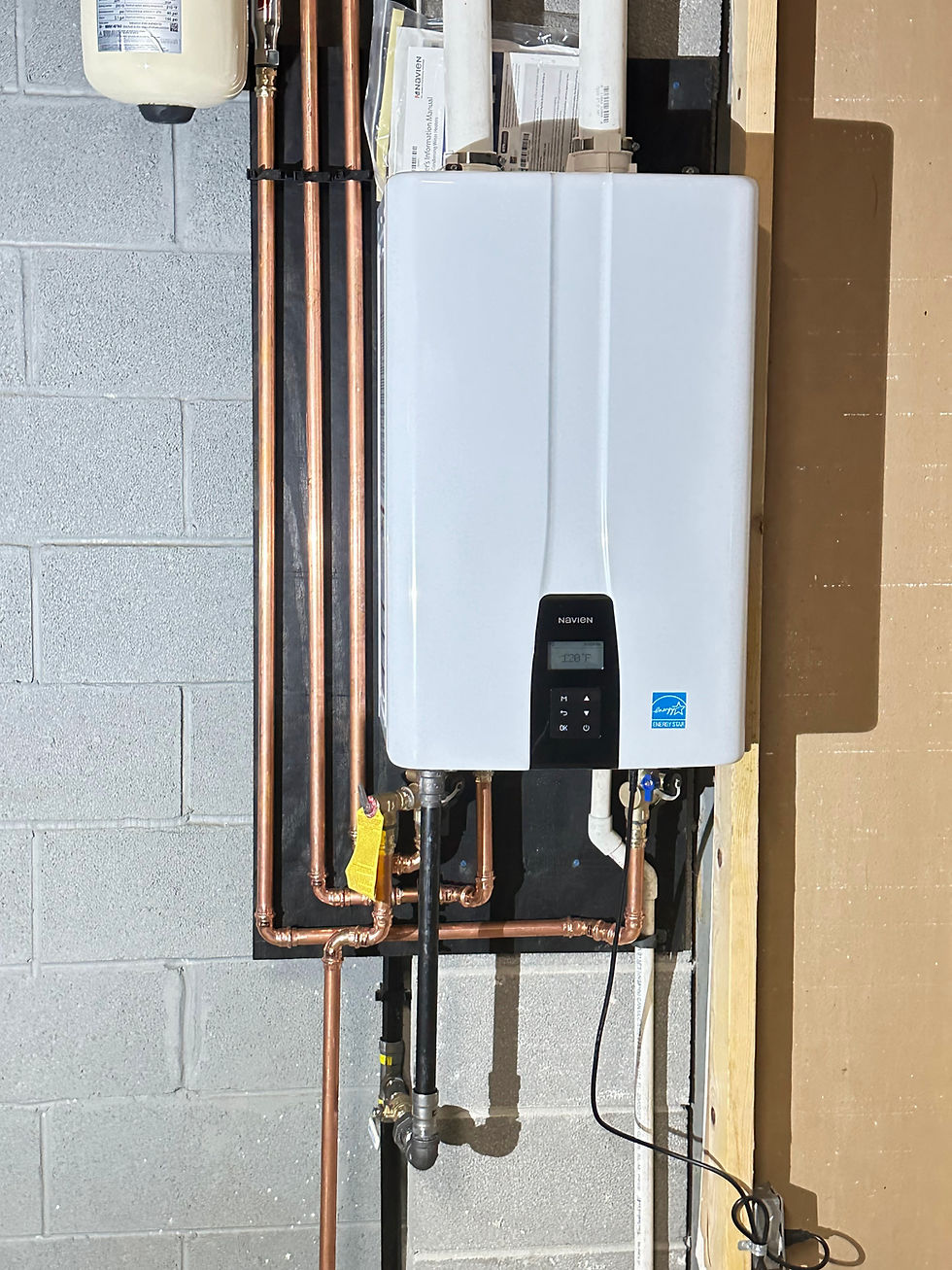
Other units work differently. Power-vent water heaters use a fan to push exhaust through approved vent piping, often PVC, CPVC, or polypropylene depending on the equipment. Direct-vent and tankless models may use sealed intake and exhaust piping that runs through a sidewall or roof. High-efficiency condensing equipment also produces acidic condensate that must be drained and managed correctly.
The pipe material, diameter, length, slope, fittings, termination location, and connection method are not interchangeable. They must match the water heater manufacturer's instructions and applicable code requirements.
Know Which Water Heater You Have
The safest first step is identifying the venting category before assuming a pipe needs repair or replacement.
Atmospheric-vent gas water heaters
These are common in older homes and many utility rooms. They have a draft hood on top of the tank, usually with a metal vent pipe rising above it. The draft hood has an open gap by design. It is not supposed to be sealed with tape, foil, or caulk.
Because atmospheric venting relies on natural draft, it can be affected by a blocked chimney, an improperly sized vent, cold venting conditions, a powerful exhaust fan, or a tightly sealed home that lacks adequate combustion air. A vent that looks fine from the floor may still have problems inside a chimney or above the ceiling line.
Power-vent water heaters
A power-vent unit has an electric blower near the top of the tank. It can vent horizontally through an exterior wall, which is useful where a traditional chimney is unavailable. The vent piping and fittings must be the exact type approved by the manufacturer. Not every white plastic pipe is suitable for every appliance.
Power-vent systems also depend on electricity. During an outage, the blower cannot operate, and the unit generally will not heat water. Homeowners should also keep the outdoor vent termination clear of snow, leaves, nests, and other obstructions.
Direct-vent, tankless, and high-efficiency units
Many tankless and condensing water heaters use sealed combustion. They may have separate pipes for intake air and exhaust, or a concentric vent that combines both paths in one assembly. These systems are efficient and flexible, but installation details matter greatly. Excessive equivalent vent length, wrong fitting types, poor pipe support, or an incorrect termination can cause lockouts, poor performance, or premature component failure.
Electric tank water heaters do not create combustion gases and do not need an exhaust vent. Hybrid heat-pump water heaters also do not use a combustion vent, though they need adequate room air and have condensate drainage requirements. That distinction prevents a lot of confusion during replacement planning.
Warning Signs You Should Not Ignore
A gas odor calls for immediate action. Leave the area, avoid switches and flames, and contact your gas utility or emergency services from a safe location. Exhaust and carbon monoxide concerns deserve the same seriousness.
Call for professional service promptly if you notice soot around the top of a gas water heater, rust streaks or corrosion at vent connections, melted plastic near the draft hood, a disconnected vent, or moisture dripping from vent joints. Water stains can signal condensation, a roof or chimney issue, or an exhaust system that is running too cool.
Other warning signs are less obvious. A water heater that shuts down repeatedly, produces a yellow or lazy flame, has scorch marks near the burner area, or sets off a carbon monoxide alarm needs immediate evaluation. Headaches, dizziness, nausea, or flu-like symptoms that improve after leaving the home can also be associated with carbon monoxide exposure. Do not try to diagnose those conditions by smell. Carbon monoxide has no odor.
A properly installed carbon monoxide alarm is an essential layer of protection, but it is not a substitute for correct venting or regular equipment service.
Why Vent Pipe Materials and Sizing Matter
Vent systems are engineered around the appliance. A conventional atmospheric water heater may use listed Type B vent, typically a double-wall metal product, or connect to a properly sized masonry chimney with an approved liner. Single-wall connector pipe may be allowed in limited portions of some installations, but it has stricter clearance and placement rules.
Power-vent and condensing units may call for PVC, CPVC, polypropylene, stainless steel, or a manufacturer-specific vent system. Temperature, pressure, condensate, and chemical resistance all factor into that choice. Using a material because it is available at a hardware store is not a safe standard.
Sizing is just as important. A vent that is too small can restrict exhaust flow. One that is too large may cool gases too quickly and weaken natural draft. Elbows, long horizontal runs, shared venting arrangements, and termination height all affect performance. This is why a water heater replacement is not always a simple tank swap. A newer unit may require vent changes even when it sits in the same location as the old one.
Common Venting Problems in Northeast Ohio Homes
Northeast Ohio homes often combine older chimneys, finished basements, additions, and equipment upgrades made over decades. That history can leave behind venting that no longer matches the appliance connected to it.
One common issue is an older chimney that is oversized for a newer, more efficient atmospheric water heater. Cooler exhaust can condense inside the chimney, leading to liner damage, masonry deterioration, or draft problems. A properly sized liner may be needed, depending on the equipment and the full venting layout.
Another issue is a water heater sharing a vent with a furnace. Shared venting can be permitted in certain configurations, but calculations and connector sizing must account for both appliances. Replacing only one appliance can change the entire system. Never disconnect, cap, or reroute a shared vent without a qualified evaluation.
Exterior power-vent terminations also need attention during winter. Snow accumulation and drifting can block the outlet or affect clearances. Keep the area clear, but do not alter the termination screen, add makeshift covers, or extend the pipe without manufacturer approval.
What Homeowners Can Safely Check
There are a few visual checks that make sense between professional service visits. Look for a vent pipe that has separated at a joint, visible corrosion, sagging sections, missing support, or signs that combustible materials have been stored too close to the water heater and vent.
For atmospheric units, look upward from a safe distance while the burner is operating. You should not see persistent moisture, staining, or soot around the draft hood. Do not place your hands near hot vent components, disassemble the draft hood, or use smoke, flame, or tissue tests to check draft. Those shortcuts can create a hazard and do not replace proper combustion analysis.
Outside, make sure a power-vent or direct-vent termination remains unobstructed. Keep landscaping, snow, and stored items away from it. If you see cracking, discoloration, loose pipe, or a damaged termination cap, schedule service rather than patching it yourself.
When Repair Makes Sense and When Replacement Is Smarter
A loose support, failed approved fitting, damaged section of vent, or blocked termination may be repairable. The right repair depends on the appliance, the condition of the full vent run, and whether the current system meets manufacturer requirements.
Replacement becomes more practical when venting is badly corroded, the chimney needs significant rehabilitation, the existing setup cannot support a new water heater, or a homeowner wants to move from atmospheric venting to power-vent, tankless, or high-efficiency equipment. Each choice has trade-offs. Power venting offers placement flexibility but uses electricity and has blower components. Tankless systems save space and provide continuous hot water when properly sized, but their gas supply, venting, and water-quality needs must be evaluated carefully.
A licensed installer should inspect the appliance, gas piping, combustion air, vent route, and exterior termination before giving a firm recommendation. Honest advice means recognizing when a targeted repair is enough and when an aging system is no longer a dependable or safe option.
Get a Professional Venting Evaluation
Venting is one part of a water heater system, but it is not the part to guess at. Makeithot Water Heaters LLC can evaluate gas water heater venting, replacement options, gas-system concerns, and the installation details that affect safe operation throughout Northeast Ohio.
If your vent pipe is loose, corroded, visibly damaged, or connected to a water heater that is acting differently than usual, call or text for service. A careful inspection now can protect your home, your hot water, and the people who rely on both.

Comments