


Water Pressure Problems: What Your Home Is Telling You
A shower that drops to a trickle when someone starts the dishwasher is more than an everyday annoyance. Water pressure affects how fixtures perform, how appliances fill, and how much stress your home's plumbing system carries. When the pressure changes suddenly or has never seemed right, the cause may be simple, but it can also point to a plumbing issue worth addressing before it becomes expensive.
What Normal Water Pressure Looks Like
Most homes perform best with water pressure in the neighborhood of 40 to 60 psi, or pounds per square inch. Pressure below that range can leave showers weak, slow down washing machines, and make faucets feel underpowered. Pressure that consistently climbs above 80 psi is a different concern. It can strain supply lines, fixture valves, appliance hoses, and water-heating equipment.
Pressure and water flow are related, but they are not the same thing. Pressure is the force pushing water through the pipes. Flow is the amount of water that actually reaches a fixture. A home can have acceptable pressure at the incoming water line but poor flow at one sink because of a clogged aerator, mineral buildup, or a partly closed shutoff valve.
That distinction matters when diagnosing the problem. If every fixture is weak, the issue is likely broader than one faucet. If one showerhead is the only trouble spot, the repair may be much more localized.
Signs Your Water Pressure Needs Attention
Homeowners usually notice low pressure first. Faucets may run slowly, showers may lose force, or water may fade when two fixtures operate at once. If the problem is isolated to hot water, rather than both hot and cold, your water heater or its connecting valves may need inspection.
High pressure is less obvious, but it should not be ignored. Watch for banging pipes, dripping temperature-and-pressure relief valves at the water heater, repeated leaks at supply connections, toilets that refill unexpectedly, or appliance hoses that fail earlier than expected. These symptoms do not prove that high pressure is the cause, but they are a good reason to have the system tested.
Pressure can also vary by time of day. Municipal demand may lower available pressure temporarily during busy morning or evening periods. A noticeable, ongoing change is different. If a shower that worked well for years suddenly becomes weak, something in the home or service line may have changed.
Common Causes of Low Water Pressure
A partly closed main shutoff valve is one of the simplest explanations. This sometimes happens after plumbing work, a water-heater installation, or a homeowner turns the water off and back on. The water meter valve may also be involved, although homeowners should not force or adjust equipment owned by the utility.
Mineral scale is another common culprit in Northeast Ohio homes, especially where hard water is present. Over time, minerals can restrict faucet aerators, showerheads, cartridges, fixture valves, and water-heater connections. A water softener or properly selected Water Right treatment system can help reduce future scale, but existing buildup may still need to be cleaned or repaired.
Older galvanized steel water lines can corrode from the inside out. The pipe may look fine from the exterior while the interior opening becomes smaller year after year. This often creates a gradual loss of flow, sometimes worse at certain fixtures than others. In that situation, cleaning a showerhead will not solve the underlying issue. The affected piping may need to be replaced.
Other possible causes include a failing pressure-reducing valve, a leak in the plumbing system, a clogged filter, or a restriction near the water meter. Homes on private wells bring additional possibilities, including a clogged sediment filter, a weak well pump, pressure-switch issues, or a waterlogged pressure tank. Well systems should be evaluated as a system rather than by replacing parts based on a guess.
Why High Water Pressure Can Be Hard on a Home
Too much pressure does not make a plumbing system better. It increases wear every time a valve closes, a toilet refills, or a washing machine cycles. Rubber seals, flexible connectors, dishwasher lines, ice-maker tubing, and water-heater components all experience more stress than they were designed to handle.
A pressure-reducing valve, often called a PRV, is commonly used when incoming municipal pressure is too high. It lowers and stabilizes the pressure entering the home. Like any mechanical device, however, a PRV can wear out, stick, or lose its adjustment over time.
There is an additional issue in homes with a PRV or a backflow-prevention device: thermal expansion. As a water heater warms water, that water expands. In a closed plumbing system, the extra volume has nowhere to go and pressure can rise. A correctly sized thermal expansion tank gives that expanding water a safe place to go. Whether one is needed depends on the home's plumbing layout, local requirements, and the equipment already installed.
A Few Safe Checks Homeowners Can Make
Start by comparing hot and cold water at more than one fixture. If cold water is strong but hot water is weak throughout the house, do not assume the water heater needs replacement. Check whether the water-heater shutoff valve is fully open, then have the heater connections and system condition evaluated by a qualified technician.
For one weak faucet, remove and inspect the aerator if you are comfortable doing so. Debris and mineral buildup are common. A showerhead may also benefit from cleaning, although heavily scaled fixtures often need replacement. If the issue began right after nearby utility work, briefly running cold water through a bathtub spout can sometimes clear harmless sediment from the line.
You can also use an inexpensive pressure gauge that attaches to a hose connection, ideally one with a telltale needle that records the highest reading. Test when water is not being used elsewhere in the house. A reading above 80 psi, large swings in pressure, or unexplained pressure loss calls for professional diagnosis.
Avoid turning pressure-control adjustments without knowing why the pressure is changing. Turning a screw on a PRV may temporarily alter the reading, but it will not repair a failing valve, identify a leak, or correct thermal expansion. It can also create a new problem if adjusted too aggressively.
When Water Pressure Is a Water-Heater Concern
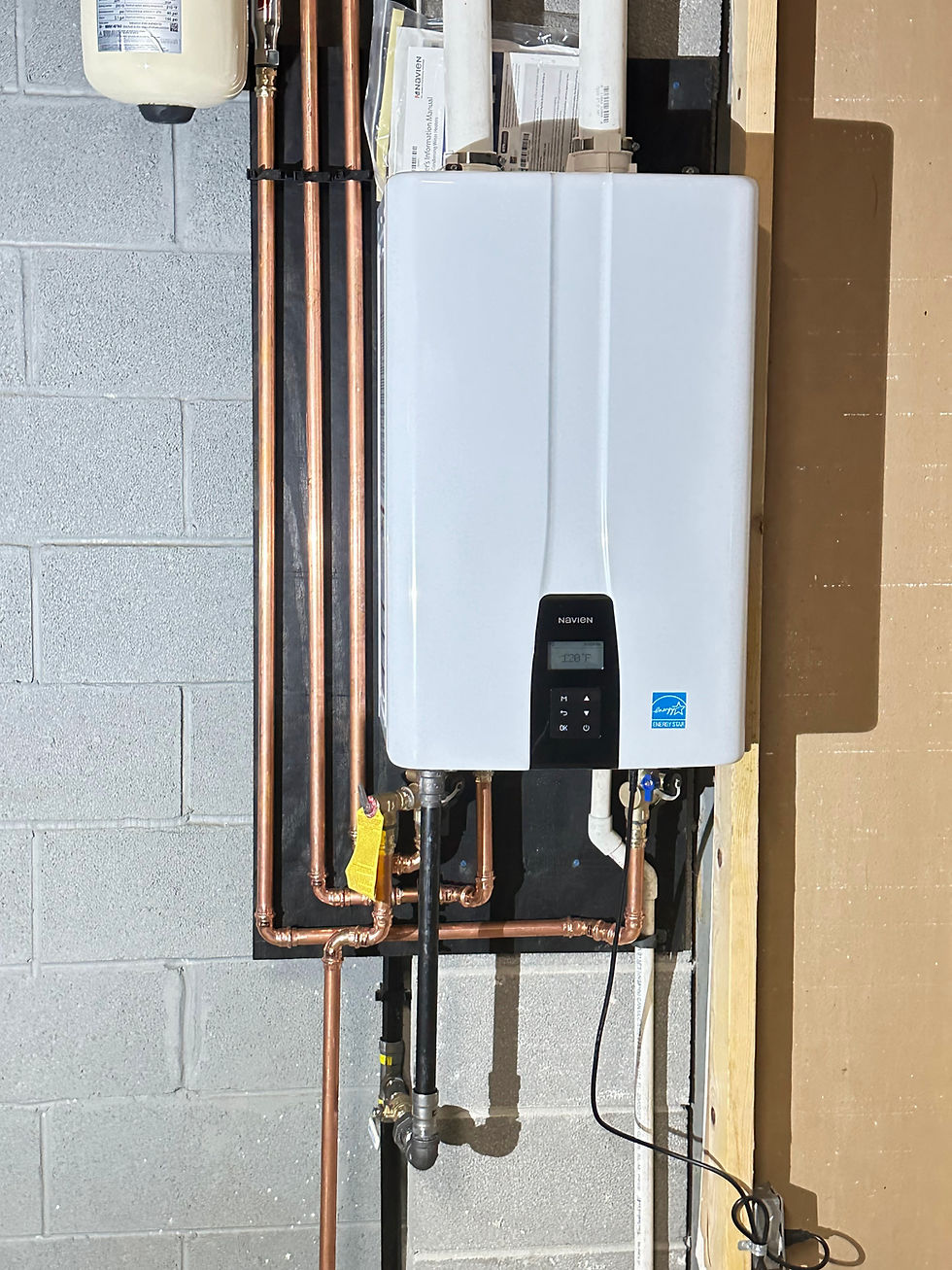
Water pressure and hot-water problems often overlap, but they should be diagnosed carefully. Sediment accumulation, scale, aging shutoff valves, corroded connectors, and failing mixing valves can all restrict hot-water delivery. Tankless water heaters have their own maintenance needs, particularly in hard-water areas where scale can affect performance.
A temperature-and-pressure relief valve that drips should always be taken seriously. Sometimes the valve itself has failed. Other times, it is doing its job by releasing excess pressure caused by thermal expansion or an overheating condition. Plugging or capping that safety valve is never an acceptable repair.
Makeithot Water Heaters LLC can assess the full picture: incoming pressure, pressure-control equipment, expansion protection, water-heater connections, water quality, and the condition of the system serving your home. That approach helps separate a small fixture repair from an issue that could shorten the life of a water heater or cause a damaging leak.
Call for Help Before a Small Issue Turns Into Water Damage
Call a licensed plumbing professional promptly if pressure suddenly drops throughout the home, pipes are banging, you see active leaks, the water heater relief valve is discharging, or a gauge shows pressure above 80 psi. The same applies when a private-well system cycles unusually often or cannot maintain steady pressure.
For homeowners in Northeast Ohio, an honest diagnosis can be the difference between replacing a part that still works and fixing the actual cause. A properly tested, properly controlled water system protects fixtures, supports dependable hot water, and lets you use your home without wondering what will leak next.

Comments