


Why Does Hot Water Smell? Causes and Fixes
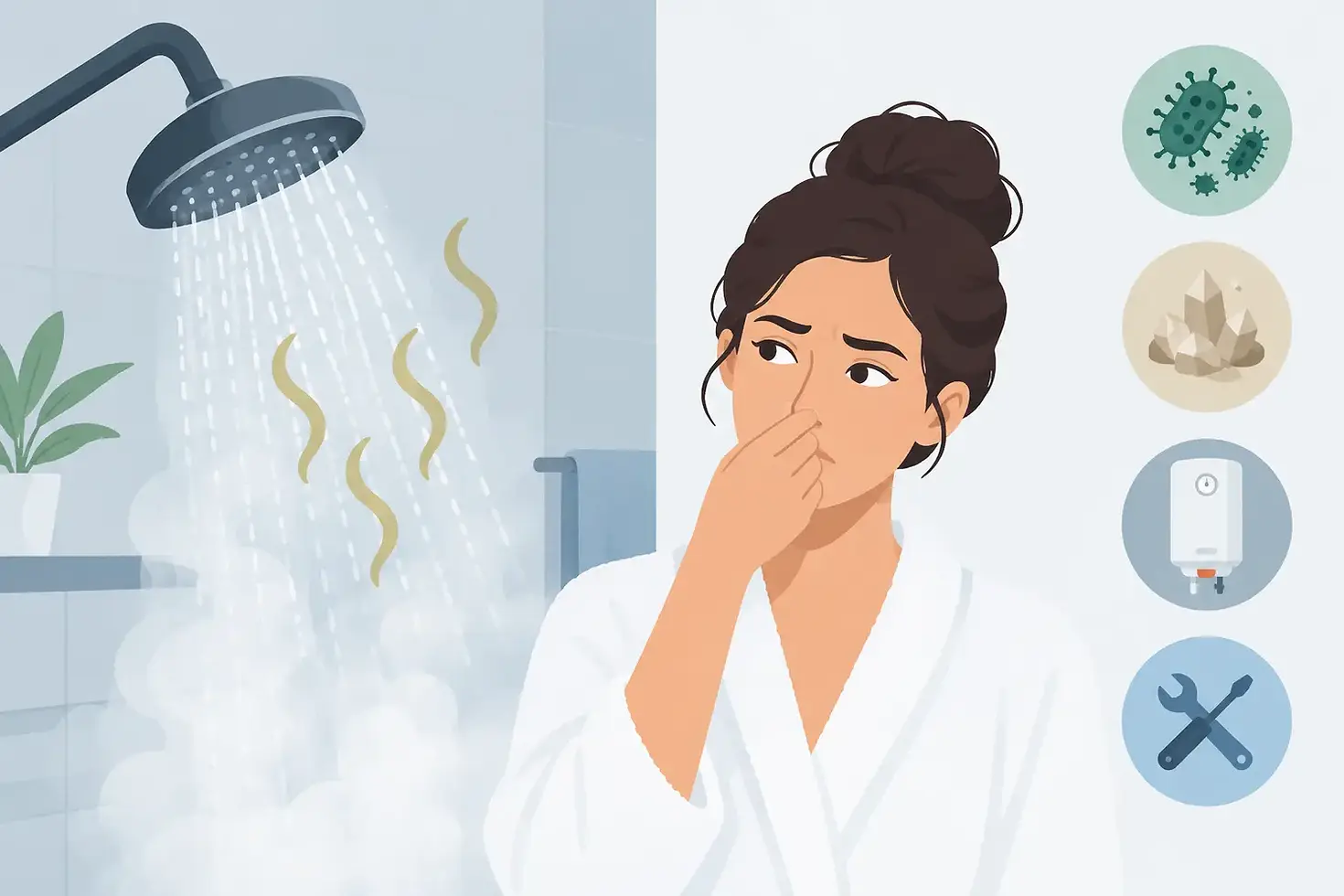
A hot shower should not make the bathroom smell like rotten eggs, wet metal, or a stagnant drain. If you are asking, why does hot water smell, the key detail is whether the odor appears only when you run hot water or from every faucet, hot and cold. That simple test points toward either the water heater or the water coming into your home.
Most hot-water odors are repairable. The right fix depends on your water source, your heater type, and what is happening inside the tank or plumbing. Guessing can lead to unnecessary replacements, while ignoring a persistent odor can shorten equipment life or hide a separate plumbing issue.
Why Does Hot Water Smell Worse Than Cold Water?
Warm water releases odors more readily than cold water. That is why a faint smell can become obvious during a hot shower, while a glass of cold water seems normal. But when the smell is clearly limited to hot water, the water heater deserves attention first.
In Northeast Ohio, private-well homes commonly deal with naturally occurring sulfur, iron, manganese, hardness, and bacteria. City-water homes can also develop hot-water odor issues, especially when sediment accumulates in a tank or the heater has been idle for a while. The smell itself is a clue, not a diagnosis.
Rotten egg or sulfur smell
The classic rotten-egg smell is usually hydrogen sulfide gas. It can come from the source water, but it is often created or intensified inside a conventional tank water heater. Certain bacteria can use sulfates in the water and produce hydrogen sulfide, particularly in warm, low-oxygen conditions.
A sacrificial anode rod can also play a role. This rod is designed to corrode before the steel tank does, protecting the tank from rust. In some water conditions, especially with well water, the rod can react in a way that makes sulfur odor more noticeable. That does not mean the anode rod was a mistake. It means the heater needs a technician to evaluate the water chemistry and choose the appropriate correction.
Depending on the situation, the solution may involve flushing the tank, disinfecting the heater and plumbing, adjusting the temperature temporarily as part of a controlled treatment process, or installing a different anode rod. If the source water contains sulfur, iron, or bacteria, a properly selected water-treatment system may be the lasting answer rather than repeated heater cleanouts.
Metallic, rusty, or earthy smells
A metallic odor can point to iron, sediment, mineral buildup, or corrosion. Hard water leaves scale inside tank-style heaters, particularly around the burner area or electric elements. As sediment cooks at the bottom of the tank, it can affect efficiency and contribute to unpleasant smells or discolored water.
If hot water is rusty or has a strong iron smell, do not assume the tank is automatically failing. The issue could involve the water supply, old galvanized piping, a worn anode rod, or corrosion within the heater. A professional inspection can separate a water-quality problem from a heater condition that calls for repair or replacement.
Musty, moldy, or drain-like odors
Sometimes the water is not the source at all. Sink drains, shower drains, overflow openings, and biofilm around faucet aerators can create an odor that seems to appear when hot water runs. Hot water may warm up the drain and release that smell into the room.
Try filling a clean glass with hot water and stepping away from the sink before smelling it. If the odor is gone, look at the drain or fixture rather than the water heater. Cleaning the drain and aerator may solve it. If the odor remains in the glass, the water or water heater is more likely involved.
How to Narrow Down the Cause of a Hot Water Smell
Start with a few observations before scheduling service. Check more than one fixture, including a bathroom faucet and the kitchen sink. If the smell occurs only at one faucet, the problem may be local to that fixture, its drain, or its supply lines.
Next, compare hot and cold water in separate clean glasses. If only hot water smells, the heater is the likely starting point. If both hot and cold water smell, the incoming water, well system, pressure tank, plumbing, or treatment equipment may need attention.
Notice when the problem began. An odor after vacation, a long period of low water use, or a heater shutdown can be related to stagnant water. An odor that begins after a well pump repair, water-softener adjustment, or municipal water change can point to changing water chemistry. If you have a private well, water testing is often the fastest way to move from guesswork to a useful plan.
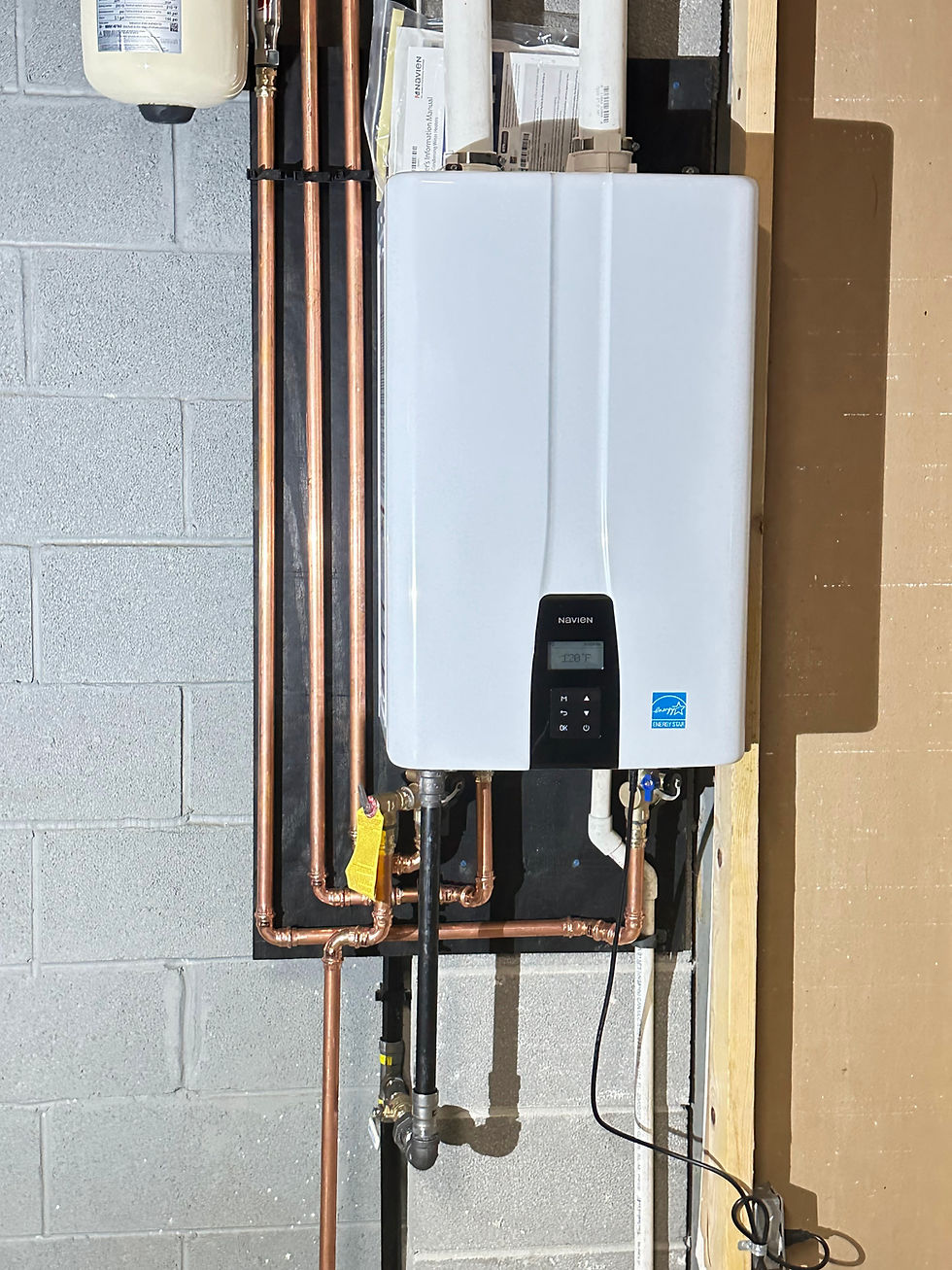
It also helps to know the age and type of your water heater. A tankless water heater does not hold a large reservoir of warm water, so odor problems can have a different cause than they do in a conventional storage tank. Hybrid heat-pump heaters and electric tanks still require maintenance, and all systems can be affected by water quality.
When Flushing Helps and When It Does Not
Flushing a tank water heater can remove loose sediment and refresh standing water. It is worthwhile preventive maintenance for many homes, particularly where water is hard or contains iron. However, flushing alone is not a universal cure for sulfur odor.
If bacteria remain in the heater or the water entering the home continues to contain hydrogen sulfide, the odor can return. Likewise, flushing an older, heavily scaled tank can expose an existing problem or fail to remove hardened deposits. This is where an honest inspection matters. A technician should explain whether maintenance is reasonable, whether a repair is likely to last, or whether replacement is the better investment.
Do not remove or permanently disable a water heater's safety components as a DIY odor fix. Anode rods, temperature controls, pressure-relief valves, venting, and gas connections all have specific jobs. Gas-fired heaters also create additional safety considerations that should be handled by a licensed professional.
Do Not Confuse Water Odor With a Gas Leak
Natural gas and propane are given a sulfur-like odor so leaks can be detected. If the smell is strongest near a gas water heater, gas piping, meter, or appliance connection, treat it as a potential gas issue - not a water-quality issue.
Leave the area if the odor is strong, avoid operating switches or creating sparks, and contact the gas utility or emergency services as appropriate. Once the immediate safety concern is addressed, a qualified gas professional can inspect the appliance and gas system. A rotten-egg smell that appears only at the faucet is usually different, but it is always better to be cautious around gas equipment.
The Right Long-Term Fix Depends on Your Water
For some homes, a water-heater service appointment and tank cleaning are enough. For others, especially well-water homes, the heater is simply where a broader water-quality issue becomes obvious. Iron, sulfur, hardness, low pH, and bacteria can affect fixtures, plumbing, laundry, taste, and the service life of your water heater.
That is why the best recommendation considers the whole system. Treatment may include filtration, oxidation, softening, disinfection, or a combination designed for the actual water test results. A water softener can reduce scale, but it will not solve every sulfur or bacterial issue by itself. The right equipment depends on the contaminant and its level, not a one-size-fits-all package.
Makeithot Water Heaters LLC can inspect conventional, power-vent, electric, tankless, and hybrid water-heating systems while also helping homeowners identify when water treatment should be part of the solution. The goal is dependable hot water and a repair plan that makes sense for your home, not a high-pressure replacement conversation.
If the odor is persistent, getting worse, or paired with discoloration, reduced hot-water performance, rumbling from the tank, or a heater near the end of its expected service life, schedule an evaluation. Clean, dependable hot water should be routine, and a clear diagnosis is the best way to get it back.

Comments