


How to Relight a Gas Water Heater Safely
A cold shower can make anyone want to get the hot water back fast. But before you try to relight gas water heater safely, take a minute to identify what kind of unit you have and rule out a gas-related problem. A pilot light that went out can be a simple reset. A pilot that will not stay lit, however, may be warning you about a failed safety part, a venting issue, or a gas-supply concern.
For many homeowners, following the instructions printed on the water heater can restore service. The key is knowing when the job is appropriate for a homeowner and when it is time to stop and call a licensed technician.
First: Do Not Relight If You Smell Gas
If you smell natural gas or propane near the water heater, do not light a match, use a lighter, flip an electrical switch, plug in a tool, or try to start the heater. Leave the area with everyone in the home, avoid using phones inside, and call your gas utility or emergency services from a safe location. Then arrange for a qualified gas professional to inspect the system.
A gas odor is not something to troubleshoot by trial and error. The source could be a fitting, gas valve, appliance connection, or another part of the gas system. Even a faint smell deserves a careful response.
You should also stop before attempting a relight if you see soot around the heater, melted wiring, water dripping onto the burner area, a damaged vent pipe, or a yellow, lazy-looking burner flame. Those signs point to a condition that needs diagnosis, not a reset.
Know Which Type of Gas Water Heater You Have
The relighting process depends on the ignition system. A conventional atmospheric-vent tank heater may have a standing pilot and a control knob marked OFF, PILOT, and ON. It usually has a small viewing window near the bottom and may use a built-in piezo igniter button.
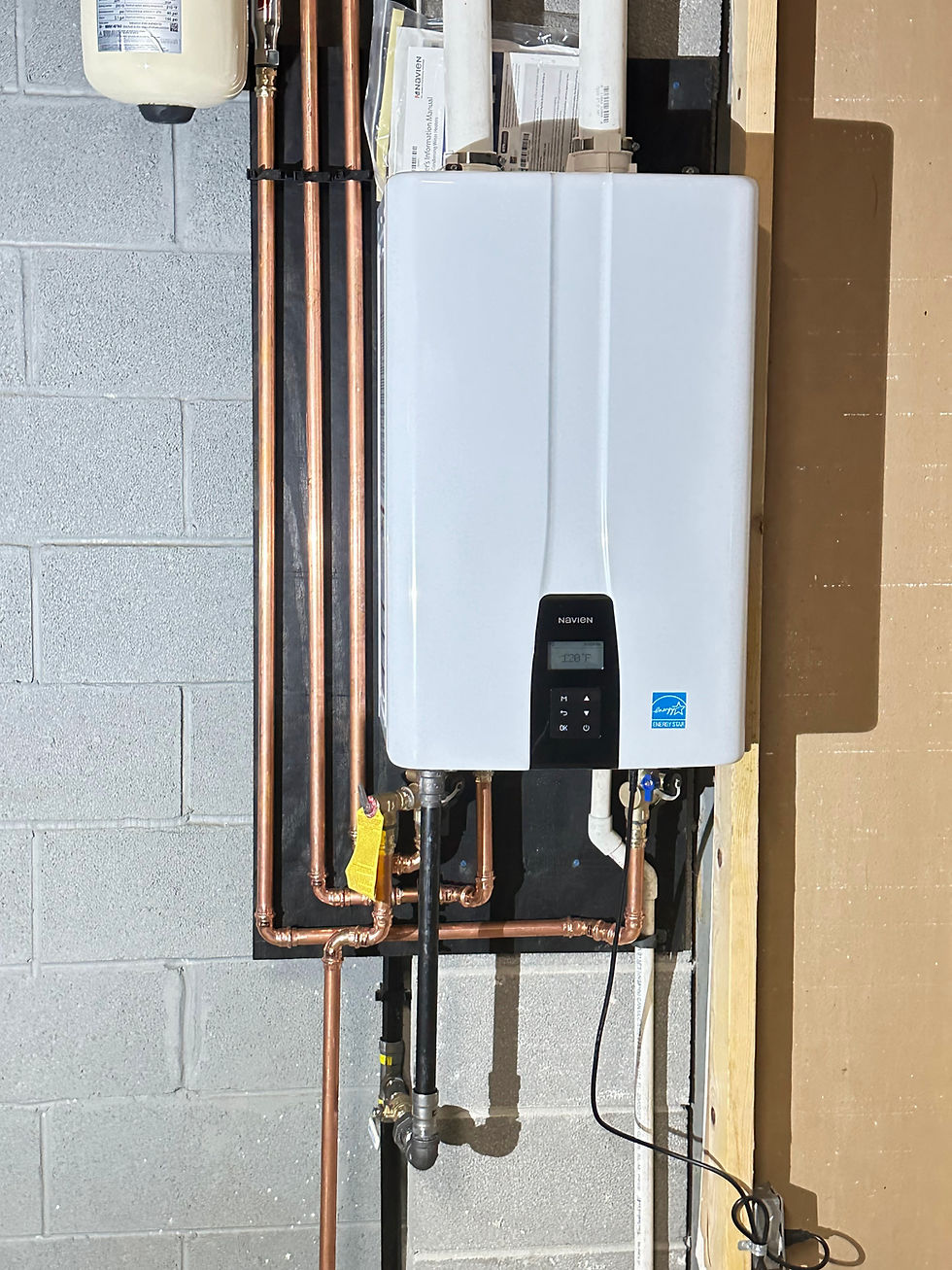
Newer sealed-combustion, power-vent, and some high-efficiency models often use electronic ignition. These units generally do not have a pilot light you manually light with a match. If one of these heaters will not start, cycling power or resetting it without understanding the error code may not solve the actual problem.
Check the rating label and instruction panel on your heater before doing anything. The manufacturer-specific lighting directions on the unit take priority over general advice. If the labels are missing, unreadable, or do not match what you see, do not guess.
How to Relight a Gas Water Heater Safely
Only proceed if there is no gas smell, the area is dry, and your water heater has a manual pilot-light system. Keep children and pets away from the appliance while you work. Do not remove covers beyond what the manufacturer’s instructions say is necessary.
1. Turn the gas control to OFF
Set the gas control knob to OFF. Some models require you to press the knob down slightly before turning it. Wait at least five full minutes before attempting to light the pilot.
That waiting period matters. It gives any unburned gas time to clear from the combustion chamber. If you notice a gas smell while waiting, stop immediately, leave the area, and follow your gas utility’s emergency guidance.
2. Set the control to PILOT
After the wait, turn the control to PILOT. On many heaters, you will need to press and hold the pilot button or hold the control knob down. This allows a small amount of gas to reach the pilot assembly while you ignite it.
Use the built-in igniter if your unit has one. Press the igniter button as directed on the label, often several times, while continuing to hold the pilot control down. Look through the sight glass to confirm whether a small flame appears.
Avoid using a match or long lighter unless your specific manufacturer instructions clearly call for it. Many modern heaters are designed to be lit only with their integrated igniter.
3. Hold the pilot control long enough
Once the pilot is lit, continue holding the control down for the time listed on the heater label, commonly 30 to 60 seconds. This warms the thermocouple or flame sensor, the safety component that confirms a pilot flame is present.
Release the button slowly. If the pilot remains lit, turn the control to ON and set the temperature to the recommended setting. Around 120 degrees Fahrenheit is a common household setting because it provides comfortable hot water while reducing scald risk. A household with very young children, older adults, or anyone sensitive to hot water may need an even more careful temperature setting.
4. Confirm normal burner operation
After turning the heater on, listen and look for normal operation through the viewing window. The main burner may not ignite immediately if the tank water is already warm. When it does run, the flame should generally be steady and mostly blue.
Give the tank time to recover before deciding the repair worked. A standard tank water heater can take 30 to 60 minutes or longer to reheat, depending on tank size, incoming water temperature, and how much hot water was used.
When the Pilot Will Not Stay Lit
A pilot that lights but goes out as soon as you release the button is one of the most common calls homeowners face. Sometimes the issue is a worn thermocouple. On newer units, it could be a flame sensor, thermal switch, igniter assembly, gas control valve, or a problem with combustion air.
The temptation is to keep trying until it catches. That is not the best approach. After one or two careful attempts following the label instructions, stop if the pilot will not stay lit. Repeated attempts can obscure the real issue and may create an unsafe situation if gas is not burning as intended.
The same applies when the pilot burns but the main burner never fires, the control flashes an error code, or the water heater makes unusual popping, rumbling, or whooshing sounds. Those symptoms require proper diagnosis. Replacing a part without confirming the cause can waste money and leave an underlying venting, gas, or water-quality problem unresolved.
Check the Conditions Around the Heater
A gas water heater needs adequate combustion air and a clear path for exhaust gases. Do not store paint, gasoline, solvents, paper, laundry products, or other flammable materials beside the unit. Keep the area around the heater clear and do not block louvered doors or air openings.
If your heater is in a utility room, basement, or closet, changes to that space can affect operation. A new door, finished wall, storage shelving, or remodeling work may reduce available combustion air. Vent pipes can also loosen or corrode over time, particularly in older homes.
Northeast Ohio homes with basements can add another complication: moisture. If water has reached the burner compartment after a leak or flooding, do not relight the heater. Water can damage controls and create corrosion that is not visible from the outside. Have the appliance inspected before putting it back into service.
A Relight Is Not Always the Best Fix
If your water heater is near the end of its expected service life, a recurring pilot problem can be a signal to compare repair costs with replacement. Conventional tank water heaters often last roughly 8 to 12 years, though water conditions, maintenance, installation quality, and usage make a real difference.
Hard water and sediment can shorten a heater’s useful life and reduce recovery performance. For homes on well water or municipal water with significant hardness, addressing water quality can protect a replacement water heater as well as fixtures and plumbing. The right answer depends on the home, the water, and the equipment already in place.
A licensed water-heater specialist can determine whether a repair is sensible, whether the existing venting and gas piping are suitable, and whether a standard tank, power-vent model, tankless unit, or hybrid option fits your household. You should get a clear explanation of the options, not pressure to replace equipment that can be repaired safely.
Call for Help When Safety or Reliability Is in Question
If the instructions on the heater do not produce a stable pilot, you see warning signs, or you are simply not comfortable working around gas, schedule service. A professional can test the ignition components, gas pressure, venting, combustion air, and safety controls rather than treating the symptom alone.
For homeowners across Northeast Ohio, Makeithot Water Heaters LLC provides licensed, insured water-heater repair and replacement with straightforward recommendations and honest second opinions. When hot water is out, getting a clear diagnosis is the fastest path back to a dependable system.
A pilot light may be a small flame, but it is part of a larger gas appliance system. Take the safe route: follow the manufacturer’s label, stop at the first sign of a gas or venting concern, and let a qualified technician handle anything that does not operate normally.

Comments