

Tankless Versus Tank Water Heaters: Which Fits?
A water heater choice usually becomes urgent when the shower turns cold, the utility room floor is wet, or a tank begins making noises it never made before. But tankless versus tank water heaters is not a one-size-fits-all decision. The right answer depends on how your household uses hot water, the condition of your gas, electric, venting, and water systems, and what you want to spend now versus over the life of the equipment.
For Northeast Ohio homeowners, cold incoming water and hard-water conditions can make the details matter even more. A properly sized, professionally installed water heater should deliver dependable hot water without creating avoidable installation costs, performance issues, or service headaches later.
Tankless Versus Tank Water Heaters at a Glance
A conventional tank water heater stores and heats a set amount of water, commonly 40 to 75 gallons in a home. When someone opens a hot-water fixture, heated water leaves the top of the tank and cold water enters at the bottom to be heated. It is a simple, proven design that works well for many households.
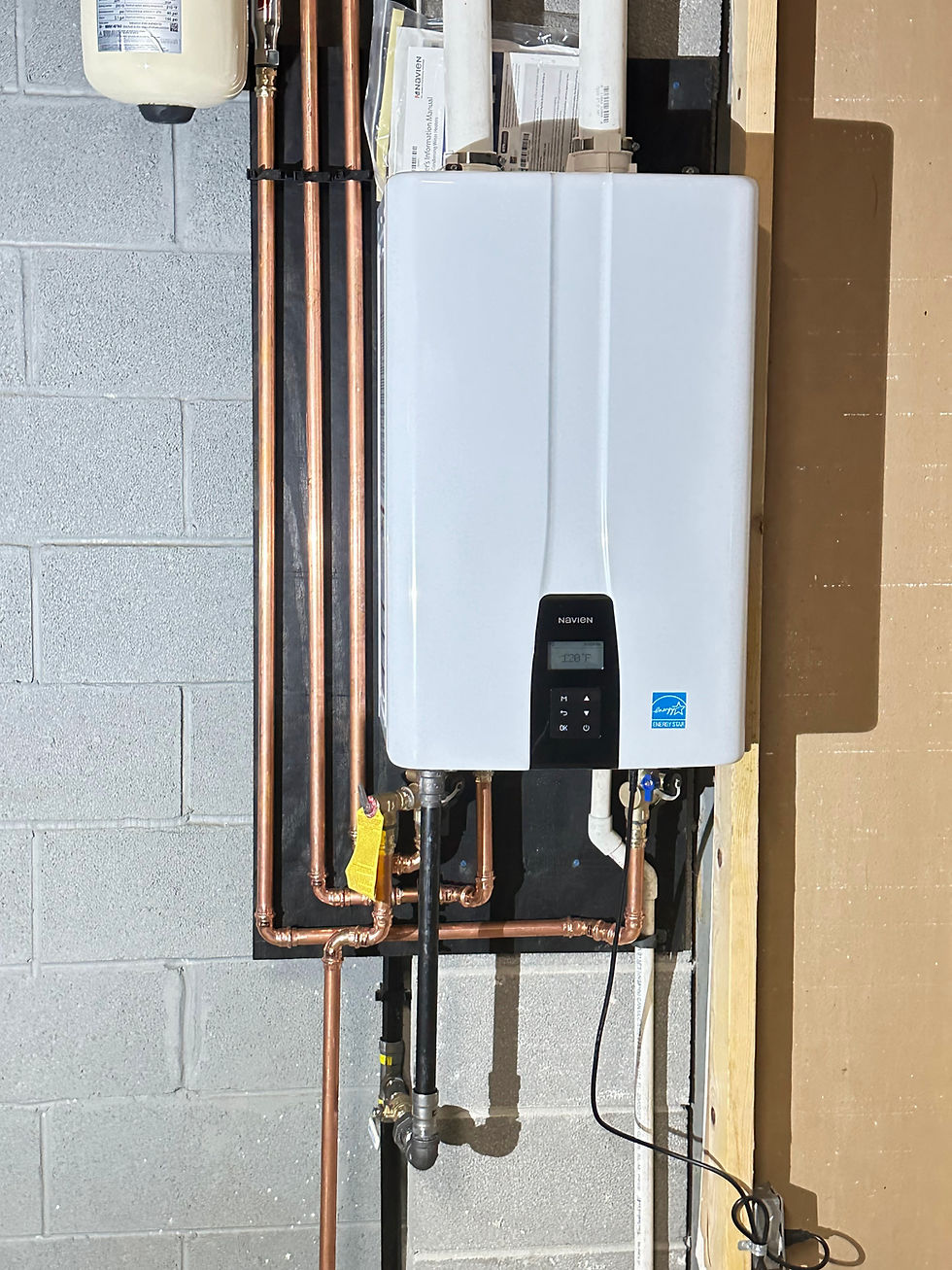
A tankless water heater heats water only when there is demand. Water flows through a heat exchanger, and the unit fires up or powers on to raise the water temperature as it passes through. Because there is no stored supply to empty, a correctly sized tankless unit can provide hot water for as long as the demand stays within its capacity.
The key word is correctly sized. “Endless hot water” does not mean unlimited hot water for every fixture at once. A tankless system has a maximum flow rate, and winter groundwater temperatures in Ohio affect how much temperature rise the unit must produce.
When a Conventional Tank Is the Better Choice
A tank water heater is often the practical choice when you need a dependable replacement quickly, have a modest budget, or already have compatible gas, electric, and venting connections. Installation is generally less involved than a tankless conversion, which can keep upfront costs lower.
For many families, a properly sized high-recovery gas tank supplies plenty of hot water for normal morning routines, laundry, dishes, and baths. If the household has predictable usage and does not regularly run several showers and appliances at once, a tank may be the best value.
Tank units are also easier to understand from a capacity standpoint. A larger household may benefit from a 50-gallon, 75-gallon, or high-recovery model, depending on the home’s hot-water demand. The best choice is based on first-hour rating and recovery rate, not tank size alone.
The trade-off is standby heat loss. Even when no one is using hot water, a tank maintains the temperature of stored water. Modern professional-grade units are well insulated, but they still use energy to keep that water hot. Tanks also take up floor space and typically have a shorter expected service life than a well-maintained tankless unit.
When Tankless Makes Sense
Tankless water heaters are a strong fit for homeowners who want to free up space, expect long-term occupancy, or regularly run out of hot water with a conventional tank. They can be especially useful in homes with large soaking tubs, busy shower schedules, or limited utility-room space.
A tankless unit may also reduce energy use because it avoids continually heating a stored tank of water. That does not automatically mean it produces dramatically lower utility bills in every home. Savings depend on fuel type, household usage, incoming water temperature, the unit’s efficiency, and whether the system is set up correctly.
For gas tankless installations, the existing gas line is one of the first items to evaluate. Many older homes have gas piping sized for a furnace and conventional water heater, not the higher input demand of a tankless unit. The venting route, combustion air, condensate drainage, electrical outlet, and location of the unit can also affect the final installation cost.
Electric tankless water heaters bring their own considerations. Whole-home electric models can require substantial electrical capacity and multiple dedicated breakers. They are not always the best choice in a Northeast Ohio home, especially where cold incoming water requires a significant temperature increase. A licensed professional should evaluate the home before promising that an electric tankless model will meet the household’s needs.
Hot-Water Demand Matters More Than Marketing Claims
The most common sizing mistake is choosing equipment based on the number of bathrooms alone. Bathrooms matter, but fixture flow rates and household habits matter more.
A home where one person showers at a time has very different needs than a home where two showers, the dishwasher, and a washing machine may run together. A tankless system must be sized to handle the combined gallons per minute of the fixtures you expect to use at the same time. If demand exceeds the unit’s output, the water may not reach the desired temperature or flow may need to be limited.
With a tank water heater, the concern is usually whether the household will use the stored hot water faster than the unit can recover. After a series of showers, a tank may need time to reheat. Higher-recovery gas models can shorten that wait, while electric tanks generally recover more slowly.
An honest recommendation starts with questions: How many people live in the home? How long are showers? Is there a large tub? Do you use a high-flow rain shower? Is the home supplied by a well? Those answers are more useful than simply selecting the largest unit that fits through the door.
Water Quality Can Change the Decision
Hard water is common in many Northeast Ohio homes, and well-water households may also deal with iron, sediment, sulfur odor, or other water-quality concerns. These conditions can affect both tank and tankless equipment, but tankless heat exchangers deserve special attention.
Mineral scale can build up inside a tankless heat exchanger and restrict water flow or reduce heat transfer. Regular flushing and proper maintenance help protect performance. In homes with hard water, a water softener or appropriately designed treatment system can make a meaningful difference for the water heater, plumbing fixtures, appliances, and the whole home.
Conventional tanks also collect sediment over time, especially when water has high mineral content. Sediment can reduce efficiency, contribute to noises, and shorten equipment life. Tank flushing may help in some cases, but the right maintenance approach depends on the age and condition of the unit.
Water treatment should not be treated as an afterthought. If the home’s water is hard or has well-water issues, solving the underlying water condition can protect a new investment whether you choose tankless or tank.
Installation Cost and Long-Term Value
Tank water heaters usually cost less to purchase and install, particularly when replacing a similar existing unit. That makes them an appealing option when a failure is unexpected and hot water needs to be restored quickly.
Tankless systems generally cost more upfront. The equipment itself costs more, and conversion work may include larger gas piping, new venting, condensate management, electrical work, or plumbing changes. The best way to compare costs is to look at the complete installed system, not just a price on the equipment.
Over time, tankless units may offer a longer service life when maintained properly, and parts such as heat exchangers may have different warranty coverage than a conventional tank. However, maintenance is not optional. A tankless unit is a high-performance appliance, and it needs periodic professional service, particularly in hard-water areas.
A conventional tank has fewer installation variables and can be a smart, durable choice when matched to the household correctly. Paying more for tankless is worthwhile for some homes, but it is not automatically the better financial decision for every homeowner.
A Professional Assessment Prevents Expensive Guesswork
Before replacing a water heater, have the installer inspect the full system. That includes the existing water heater, fuel supply, venting, water pressure, shutoff valves, expansion equipment where needed, drain setup, electrical service, and water quality. A replacement that ignores these details can lead to poor performance or a failed inspection.
Makeithot Water Heaters LLC helps homeowners evaluate conventional tank, tankless, power-vent, electric, gas, and hybrid heat-pump options without high-pressure sales tactics. When a repair is still sensible, that should be part of the conversation too. When replacement is the safer choice, the recommendation should explain why.
If your current water heater is leaking, producing rusty water, failing to keep up, or nearing the end of its expected life, do not wait for a full breakdown to compare options. A clear assessment of your household’s demand, utility setup, and water quality can turn an emergency replacement into a decision you will feel good about every time you turn on the tap.

Comments